Warm Up Your Investment: How a Legal Basement Can Help You Beat the Winter Bills
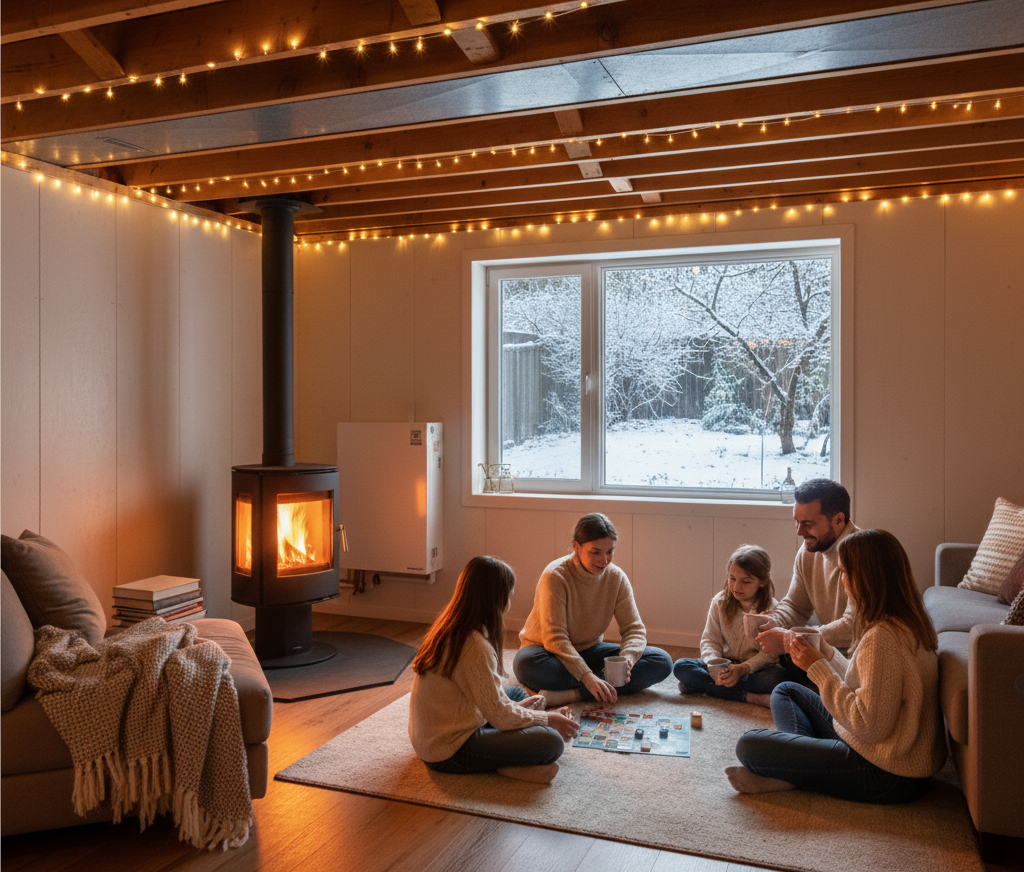
Winter in Ontario is more than just cold—it’s costly. Rising heating expenses, increased energy consumption, and poor insulation can put real pressure on your monthly budget. But for many homeowners, the solution isn’t simply turning down the thermostat. It’s turning your basement into a legal, functional, and income-generating asset.
A legal basement doesn’t only add living space—it can dramatically reduce your winter costs, increase your home efficiency, and even help you offset your heating bills with additional rental income. In this guide, we break down how your basement can work for you all winter long.
Why Winter Bills Hit Harder in Ontario
Ontario homeowners face some of the highest winter heating costs due to long cold seasons, older home insulation, and increasing gas and electricity rates. According to the Government of Ontario, improving home energy efficiency plays a major role in lowering monthly energy bills.
Source: Ontario.ca
Basements are one of the most overlooked sources of heat loss, moisture intrusion, and poor energy performance. A properly built legal basement suite solves these issues and strengthens your home’s winter performance dramatically.
How a Legal Basement Can Lower Your Winter Bills
A legal basement is more than a renovation—it’s an engineered upgrade that improves comfort, efficiency, and long-term financial health. Here’s why:
1. High-Performance Insulation Reduces Heat Loss
Most older basements lack proper insulation, allowing heat to escape through uninsulated walls, floors, or rim joists. When finishing a legal basement, insulation must meet Ontario Building Code (OBC) energy requirements.
This includes:
- continuous rigid insulation
- spray foam sealing
- insulated subfloors
- proper thermal breaks
These upgrades can significantly reduce heat loss in winter and keep the upper floors warmer.
Reference: Ontario Building Code guidelines
https://www.ontario.ca/document/2012-building-code-compendium
2. Air Sealing Helps You Maintain Consistent Indoor Heat
Legal basement construction requires proper air barriers and vapour control systems. This prevents cold drafts, basement-to-upper-floor heat transfer, and condensation buildup.
Air sealing improvements typically include:
- rim joist insulation
- foundation crack sealing
- air barrier membranes
- sealed electrical and plumbing penetrations
The result: lower heating bills and a more comfortable home.
3. Energy-Efficient Heating Improves Whole-Home Performance
Legal suites require their own heating and ventilation solutions. That means improved airflow, balanced temperature control, and more efficient heating distribution across both living spaces.
Options include:
- separate ductwork configuration
- in-floor heating
- energy-efficient baseboard systems
- HRV/ERV ventilation systems
With proper design, your furnace doesn’t work as hard to heat the main house.
4. Moisture Control Prevents Expensive Winter Damage
Cold air meeting warm basement surfaces can create condensation, mold, or structural damage. A legal basement project solves this with:
- damp-proofing
- waterproofing membranes
- insulated walls
- proper drainage
- high-quality vapour barriers
A dry basement is more energy-efficient and cheaper to heat over time.
5. A Legal Suite Can Produce Rental Income All Winter
Here’s where the real winter savings happen.
Adding a legal basement suite gives you monthly rental income—income that can cover:
- heating bills
- mortgage payments
- winter maintenance
- property taxes
In many Ontario cities, a legal basement suite can generate anywhere from $1,200 to $2,000+ per month depending on location and unit size.
Instead of absorbing winter expenses, your home helps pay for them.
Why Winter Is the Best Time to Build a Legal Basement
1. Faster Permit Processing
Winter is one of the least busy periods for municipal permit offices. That means architectural drawings and approvals often move faster.
2. Contractor Availability
Renovation demand spikes in spring and summer, leaving winter as a window with better scheduling flexibility and faster project turnaround.
3. Indoor Work Continues Smoothly
Most basement work is unaffected by cold weather:
- framing
- electrical
- plumbing
- HVAC
- insulation
- drywall
- flooring
- finishes
Your project keeps moving even when outdoor work slows.
Financial Benefits: How a Legal Basement Pays for Itself
When done correctly, a legal basement becomes a long-term investment—not an expense.
Monthly Rental Income
Offset heating, electrical, and mortgage costs.
Increased Property Value
Homes with legal secondary suites appraise significantly higher due to added income potential.
Higher Energy Efficiency
Reduce winter heating waste through improved insulation and sealing.
Future-Proofing Your House
Comply with modern building codes and improve resale appeal.
What Ontario Requires for a Legal Basement
To ensure safety and compliance, a legal basement must follow regulations for:
- fire separations
- ceiling height
- safe egress
- smoke and CO alarms
- proper windows
- soundproofing
- ventilation
- electrical and plumbing codes
A professional architectural team ensures everything aligns with the Ontario Building Code.
Energy-Efficiency Upgrades to Maximize Winter Savings
Here are the most impactful upgrades when renovating a basement:
1. Rigid + Spray Foam Insulation
Minimizes heat loss through concrete walls.
2. Subfloor Insulation Panels
Keeps flooring warm and prevents moisture transfer.
3. Triple-Sealed Windows
Eliminates drafts and reduces energy waste.
4. HRV/ERV System
Efficient air exchange without heat loss.
5. High-Efficiency Lighting and Appliances
Lowers monthly operating costs for both units.
Case Example: How a Legal Basement Saves Money in Real Numbers
Let’s break down a typical Ontario scenario:
- Average winter heating cost for a detached home: $300–$450/month
- Improved basement insulation + air sealing lowers heat loss by 20–30%
- Monthly rental income from a legal suite: $1,300–$1,800
Result:
Your basement not only reduces heating costs—it covers them.
Turn Your Basement Into a Warm, Efficient, Income-Generating Space
A legal basement is one of the smartest investments you can make for winter. It lowers your bills, strengthens your home’s energy efficiency, and creates a reliable monthly income stream.
At My Legal Basement, we handle:
- architectural drawings
- building permit support
- full legal basement construction
- below-grade entrances
- finishing and inspections
Every project is 100% Ontario Building Code compliant.
Start Your Winter Savings Today
If you want to reduce winter utility bills, improve home comfort, or generate rental income, this is the ideal time to begin.