Is Your Basement Ready for Winter? Here’s How to Keep It Dry, Warm, and Code-Compliant
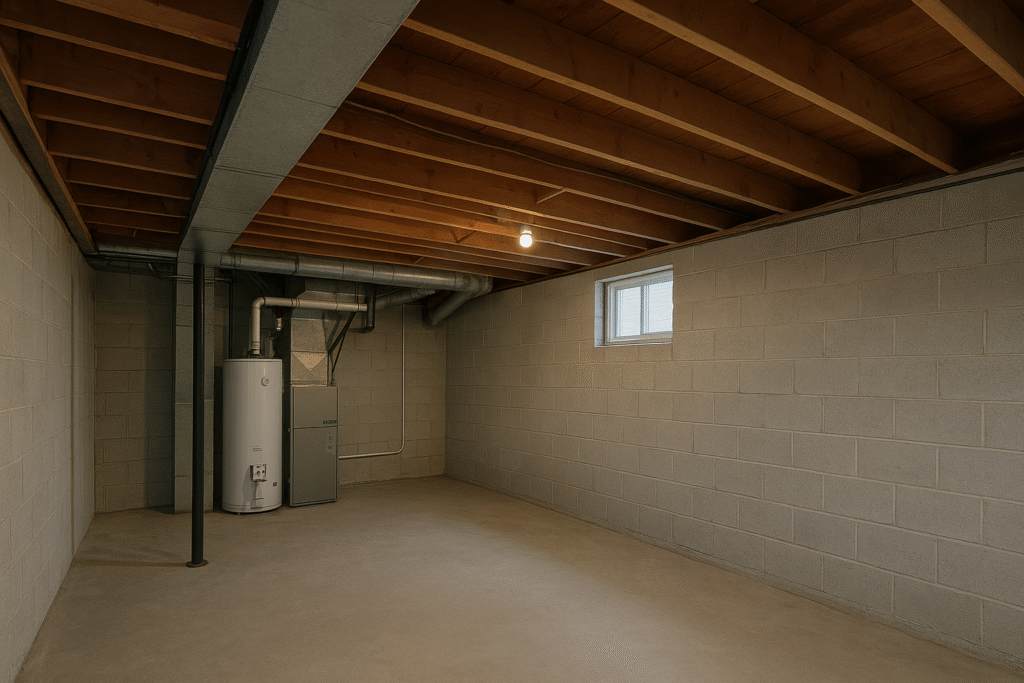
Winter can be tough on homes in Ontario, but no part of the house is more affected than the basement. As temperatures drop, basements naturally become more vulnerable to moisture, heat loss, air leaks, and building code violations—especially if the space is finished or being used as a legal rental unit.
Preparing your basement for winter is not optional. It protects your home, reduces long-term maintenance costs, and ensures your basement meets all Ontario Building Code (OBC) requirements. For rental basements, proper winter preparation is essential for safety, compliance, and tenant comfort.
This guide breaks down exactly how to keep your basement dry, warm, energy-efficient, and compliant with Ontario regulations before the cold weather arrives.
Why Winter Basement Preparation Matters More Than Ever
Basements sit below ground level, which makes them more at risk during winter. Cold temperatures, melting snow, and shifting soil can all increase pressure on foundation walls and allow moisture to enter the space.
Winter can amplify problems such as:
- Water seepage
- Mold and mildew
- Heat loss and high utility bills
- Poor air quality
- Foundation cracks
- Failing insulation
- Rental unit code violations
Most homeowners underestimate the winter impact on their basements. By taking the right steps early, you can prevent expensive repairs and maintain a safe, dry, and comfortable environment all season long.
1. Start with a Complete Moisture and Leak Inspection
Moisture is the most common basement issue in Ontario, especially during winter when snowmelt and freezing temperatures put extra stress on the structure.
Signs of winter moisture problems include:
- Musty odors
- White powdery deposits on walls (efflorescence)
- Small or spreading cracks
- Condensation on windows
- Warped floors or damp corners
If these issues already exist, cold weather will make them worse.
Government resource on mold and moisture:
https://www.ontario.ca/page/mould-and-your-health
A proactive moisture inspection before winter is one of the most important steps for protecting your basement.
2. Upgrade Insulation to Meet Ontario Basement Standards
Insulation plays a major role in winter comfort, energy savings, and building code compliance. If your basement is a finished living area or a legal rental unit, proper insulation is required under the Ontario Building Code.
Ontario Basement Insulation Requirements Include:
- Minimum R-20 insulation for foundation walls
- Proper vapour barriers to prevent moisture buildup
- Continuous insulation to prevent cold bridging
- Insulated rim joists and sill plates
If your basement feels cold or drafty in winter, it may indicate insufficient or outdated insulation.
Insulation upgrades not only improve comfort, but also reduce heating costs and ensure the basement meets legal standards if it is used as a rental unit.
3. Seal Air Leaks Before Cold Weather Arrives
Basements lose heat quickly through air leaks, especially around windows, doors, plumbing penetrations, and foundation gaps. Even small gaps can lead to significant energy loss and condensation issues.
Common leak points include:
- Window frames
- Door thresholds
- Sill plates and rim joists
- Electrical openings
- Cracks in the foundation
Sealing these gaps helps maintain warm indoor temperatures, reduces humidity problems, and supports energy efficiency—crucial for both personal and rental basements.
4. Ensure Proper Basement Ventilation for Winter
A warm interior combined with cold outdoor temperatures increases the risk of condensation. Without proper ventilation, moisture levels rise and can lead to mold growth, air quality issues, and structural damage.
For basement apartments, mechanical ventilation is mandatory.
Winter Ventilation Checklist:
- Ensure HRV or ERV systems are clean and operating
- Verify bathroom and kitchen exhaust fans work properly
- Check for clear air returns in living areas
- Use a dehumidifier during heavy moisture periods
Following proper ventilation standards is vital for safety, health, and OBC compliance.
Government resource on building ventilation and code requirements:
https://www.ontario.ca/laws/regulation/120332
5. Inspect and Protect the Foundation Before Freezing Temperatures
When the soil freezes, it expands, increasing pressure on basement walls. Existing cracks can grow, and new cracks can develop if the foundation is weak or unprotected.
Essential winter foundation preparation steps include:
- Sealing interior cracks
- Improving exterior drainage
- Ensuring downspouts direct water away from the house
- Checking grading to prevent water pooling near the foundation
Foundation maintenance is essential to avoid water intrusion and long-term structural damage.
6. For Rental Basements, Winter Safety and Code Compliance Are Mandatory
Legal basement apartments in Ontario must comply with several winter-related safety standards under the Ontario Building Code and municipal bylaws.
A legal unit must have:
- Fire-rated walls and ceilings
- Safe exits and proper egress windows
- Working smoke and carbon monoxide detectors
- Code-compliant insulation and ventilation
- Reliable heating systems
- Moisture and mold control
Ignoring winter prep can lead to violations, safety hazards, or failed inspections. Ensuring code compliance protects both the homeowner and the tenant.
7. A Winter-Ready Basement Increases Rental Income and Property Value
A properly insulated, dry, and code-compliant basement offers major financial benefits:
Higher Rental Income
Tenants prefer warm, safe, and energy-efficient units, especially during Ontario winters.
Reduced Repair Costs
Moisture and cold damage are expensive. Prevention is far more cost-effective.
Improved Energy Efficiency
A winter-ready basement reduces overall heating bills.
Stronger Property Value
Finished and legal basements provide one of the highest returns on investment for homeowners.
Winter preparation helps protect that value year-round.
8. Final Winter Basement Preparation Checklist
Before winter arrives, ensure that your basement has:
- A complete moisture and leak inspection
- Updated insulation meeting OBC standards
- Airtight windows and sealed penetrations
- Proper ventilation systems
- Sealed cracks and reinforced foundation points
- A reliable furnace and backup heat source
- Drainage systems functioning correctly
- Smoke and CO detectors tested
- Fire separation (for rental basements)
- Compliance with all Ontario Building Code requirements
This checklist helps maintain safety, efficiency, and legal compliance.
Prepare Your Basement for Winter With My Legal Basement
If you want to upgrade your basement, finish it for personal use, or convert it into a legal rental unit, My Legal Basement can help. We specialize in:
- Architectural drawings
- Legal secondary suite conversions
- Permit approvals
- Basement finishing
- Code-compliant design
- Moisture and insulation solutions
Our team ensures your basement is warm, dry, safe, and fully compliant for winter and beyond.
Get your free consultation at MyLegalBasement.ca and prepare your basement before cold weather impacts your home.
FAQs
1. Why does my basement feel damp in winter?
Cold temperatures increase moisture pressure on foundation walls, which can create leaks, condensation, and humidity if not properly sealed.
2. What insulation is recommended for basements in Ontario?
Spray foam, rigid foam, or batt insulation with a vapour barrier that meets the Ontario Building Code. R-20 insulation is commonly required for finished spaces.
3. Do I need to winterize a basement apartment?
Yes. Legal rental units must follow strict ventilation, insulation, heating, and fire safety regulations, especially during winter.
4. Can poor ventilation cause mold in winter?
Yes. Humidity often rises in basements during temperature fluctuations. Proper mechanical ventilation prevents mold and improves air quality.
5. Should foundation cracks be repaired before winter?
Absolutely. Freezing soil expands and can worsen cracks, leading to water ingress and structural issues.