
How to Build a Legal Basement in Ontario: A Step-by-Step Guide
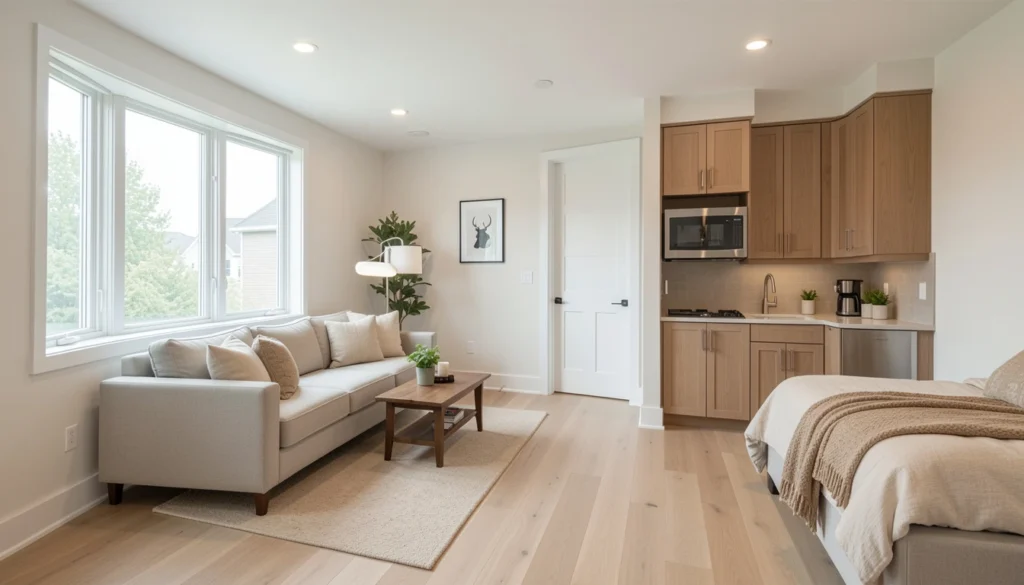
If you’re considering turning your basement into a rental unit or extra living space, it’s essential to know the Ontario Building Code (OBC) requirements. A legal basement is one that complies with safety standards and building regulations. This guide will walk you through the necessary steps to ensure your basement meets legal requirements.
Key Requirements for a Legal Basement in Ontario
To build a legal basement in Ontario, your renovation must meet the Ontario Building Code (OBC) standards. Here are the key requirements:
1. Minimum Ceiling Height
The OBC mandates a minimum ceiling height of 1.95 meters (6 feet 5 inches) for most of the basement. If your basement doesn’t meet this height, you may need to lower the floor (underpinning) or raise the ceiling, both of which can be costly but necessary for compliance.
2. Egress Window
For safety, every basement bedroom must have an egress window, which allows for an emergency exit in case of fire. The window must be at least 0.35 square meters (3.77 square feet) in size and must open without tools or keys. If your basement window is too small, it must be replaced or enlarged to meet the requirements.
3. Fire Separation
Fire safety is crucial in any legal basement. According to the OBC, the walls and ceilings between the basement and the rest of the house must be made of fire-rated materials, typically 5/8-inch Type X drywall. This ensures that fire cannot spread between the units. Additionally, any door between the basement and the main house must be fire-rated as well.
4. Separate Entrance
A legal basement apartment must have a separate entrance that leads directly to the outside, such as a side door or walkout basement. This ensures tenant safety, providing a clear path to safety during emergencies. A shared entrance through the main dwelling is not permitted under the OBC.
5. Smoke and Carbon Monoxide Detectors
The OBC requires that smoke alarms and carbon monoxide detectors be installed in every basement unit. Smoke alarms must be placed in all bedrooms and hallways, while carbon monoxide detectors should be near sleeping areas. These alarms must be interconnected, meaning that if one alarm goes off, they all sound simultaneously.
The Permit and Inspection Process
Once your basement design meets all OBC requirements, you must obtain the necessary permits and pass inspections to make your renovation legal.
1. Submit Architectural Drawings
To start the process, you’ll need to submit architectural drawings to your local municipality. These drawings must detail the layout, egress windows, fire-rated materials, and safety systems. Professional architectural drawings are required, as blueprints or sketches are often deemed insufficient for permit approval.
2. Permit Review and Approval
After submitting your plans, the municipality will review your architectural drawings to ensure compliance with the OBC. This review typically takes 2-4 weeks. If everything checks out, you’ll receive your building permit.
3. Inspections During Construction
Throughout the renovation, several inspections will be required to ensure the work complies with the OBC. These inspections include checks for plumbing, electrical systems, and structural integrity. Once the renovation is complete, a final inspection will be conducted, and if the basement passes, you’ll receive an occupancy permit.
Why Use Professional Architectural Drawings?
Many homeowners mistakenly believe that using amateur blueprints or skipping detailed designs will save money. However, professional architectural drawings are crucial for ensuring your basement complies with the Ontario Building Code and has the best chance of passing inspections on the first go.
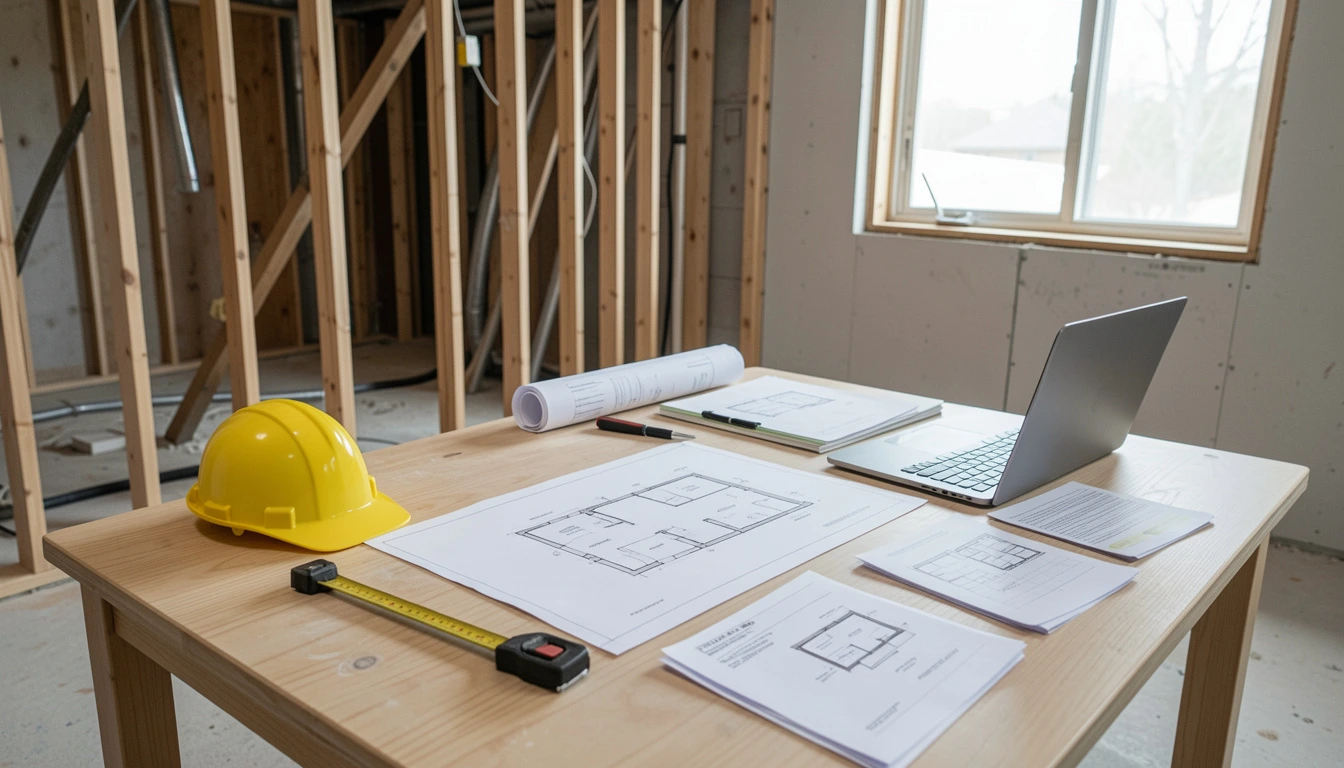
Here’s why professional drawings are essential:
- Accuracy and Compliance: They are designed to meet all OBC requirements.
- Faster Permit Approval: Municipalities accept professional drawings for quicker processing.
- Reduced Risk of Rejection: Proper drawings minimize the risk of permit rejection, which could delay your project and add costs.
Benefits of Building a Legal Basement
Building a legal basement apartment offers numerous benefits, including:
- Increased Property Value: A legal basement adds significant value to your home.
- Rental Income: Renting out a legal basement apartment provides an additional income stream.
- Peace of Mind: With compliance to the Ontario Building Code, you’re protected from fines and legal issues.
Conclusion: Start Your Legal Basement Renovation Today
Transforming your basement into a legal basement apartment in Ontario is a great investment that can increase your property value and provide rental income. However, it requires careful planning and compliance with the Ontario Building Code. Work with professionals, submit the right drawings, and ensure that all safety standards and legal requirements are met.
If you’re ready to begin, start by obtaining professional architectural drawings and obtaining the necessary permits for your basement renovation
