Surprising Basement Renovation Mistakes Homeowners Make — and How to Avoid Them
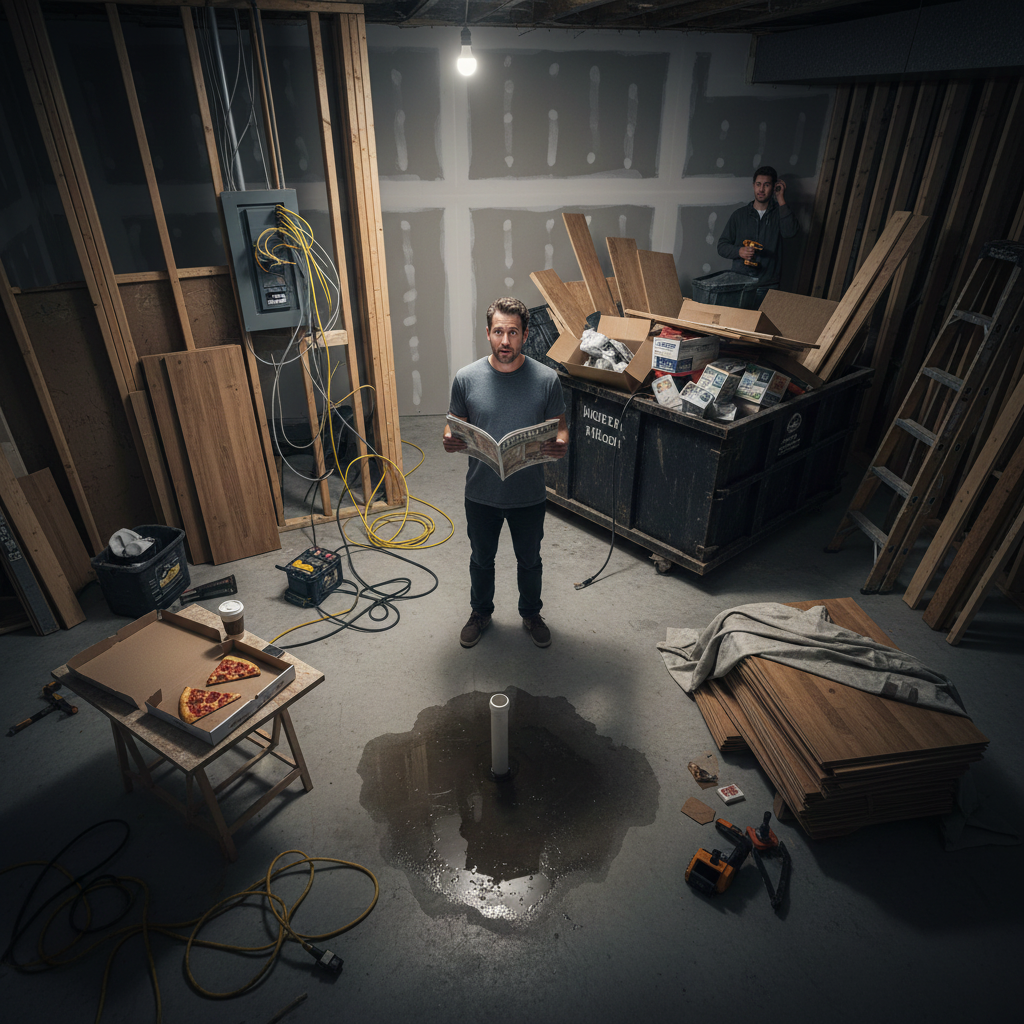
Many homeowners see a basement as “extra space,” but renovating it — especially turning it into a living unit — comes with many hidden pitfalls. In regions governed by the Ontario Building Code (OBC) and relevant municipal bylaws, mistakes can be costly, dangerous, and even make your basement illegal. Below, we outline common mistakes and how to avoid them to ensure your basement renovation is safe, compliant, and valuable.
1. Skipping Permits & Ignoring Legal Requirements
One of the biggest mistakes homeowners make is trying to skip the permit process to save time or money. But for a basement conversion — especially one that creates a secondary living unit — a permit is often required.
Consequences of skipping permits:
- Possible fines or legal penalties.
- Insurance companies may void coverage if work was done without permits.
- If you try to sell the house later, non‑compliant renovations can scare off buyers or reduce resale value.
How to avoid this mistake: Always check with your local municipality before beginning work. Apply for all necessary permits (building, electrical, plumbing, etc.), and make sure any renovation respects local zoning laws, building code, and fire safety regulations. Ontario.ca
2. Ignoring Ceiling Height, Egress & Safe Exits
A frequent reason basement renovations fail inspection or become “illegal basement apartments” is failing to meet minimum safety and egress standards.
According to OBC rules: living spaces must meet strict height and exit requirements. ✦ Ceiling height must be a minimum of 1.95 m (≈ 6 ft 5 in) in habitable areas.✦ Bedrooms (and any sleeping areas) must have safe, code‑compliant egress: typically via a proper exterior door or an egress window that conforms to OBC size and access standards.
What often goes wrong:
- Low ceilings (especially below ducts or beams) that don’t meet code — users assume “basement” automatically qualifies.
- Bedrooms with small or no windows; or windows that don’t open easily or don’t meet required openable area for egress.
- Basement entrance/exit points that are shared or not separate, or windows without proper wells or drainage.
How to avoid this mistake: Before finishing walls or installing finishes, measure ceiling height and plan for egress. If needed, consider underpinning (raising ceilings) or re‑designing layout to meet code. Ensure windows or doors meet exact egress specifications, and that exits lead safely outside.
3. Overlooking Fire Safety, Smoke/CO Detectors & Fire Separations
Another major pitfall is ignoring fire and safety standards. A legal basement (especially a separate unit) under the Ontario code must meet fire separation requirements and have properly installed alarms.
Common mistakes include:
- Skipping fire-rated walls, ceilings, or fire‑rated doors between main house and basement suite.
- Not installing interconnected smoke and carbon monoxide detectors on every floor, in bedrooms and common areas.
- Not sealing penetrations (like ducts, electrical, plumbing holes) properly, which can allow smoke or fire spread.
How to avoid this mistake: Use fire‑rated materials (e.g. Type X drywall) for walls and ceilings separating units. Install solid‑core, self‑closing doors if required. Make sure smoke alarms and CO detectors are interconnected throughout the property, including bedrooms, common areas, and exit routes. Ensure any penetrations (vents, wiring, plumbing) are fire‑sealed properly.
4. Inadequate Moisture Control, Insulation & Ventilation
Basements are naturally prone to dampness and moisture — finishing without proper control can lead to mold, poor air quality, energy inefficiency, and even structural issues. Many homeowners neglect insulation, vapour barriers, waterproofing or adequate ventilation.
Typical mistakes:
- Using regular drywall or materials not suited for below‑grade moisture.
- Skipping vapour barriers or proper insulation.
- Inadequate ventilation or HVAC setup — leading to dampness, poor air circulation, or humidity issues.
How to avoid this mistake: Before finishing, ensure the basement is properly waterproofed and sealed. Use moisture‑resistant materials and install vapour barriers. Plan for sufficient insulation and ventilation — ideally including mechanical ventilation if required. If installing heating or HVAC, consider whether separate systems or compliant shared systems are needed according to code.
5. Poor Layout Planning & Trying DIY for Complex Work
Upgrading a basement often involves structural, electrical, plumbing, and fire‑safety work — not just cosmetic changes. A common mistake is treating it like a cosmetic renovation and doing DIY work beyond one’s expertise.
Problems that arise:
- Poorly thought‑out layouts leading to cramped or inefficient rooms.
- Doing complex installations — plumbing, wiring, HVAC — without professional certification, risking code violations and safety hazards.
- Overlooking backup systems (e.g. proper lighting, stairway lighting, egress lighting, ventilation) or mechanical code compliance.
How to avoid this mistake: For anything structural, plumbing, electrical or fire‑safety related — hire licensed and qualified professionals (builders, electricians, plumbers, HVAC). Plan the layout carefully: define clear living areas (bedroom, living, kitchen, bathroom), circulation paths, exits, and mechanical access. Also, consider long‑term comfort and code compliance, not just initial finishes.
6. Underestimating Costs, Timelines, and Long-Term Maintenance
Many basement renovations — especially those aiming for legal suite conversion — are more costly and time‑consuming than anticipated. Hidden issues like low ceiling height, water infiltration, structural changes, fire‑proofing, or proper ventilation can add up quickly.
Common issues:
- Budgeting only for visible finishes (flooring, paint) and ignoring underlying needs (structural reinforcement, insulation, fire‑proofing).
- Delays due to permit processing, inspections, corrections if initial work doesn’t comply.
- Underestimating ongoing maintenance costs (moisture control, ventilation, HVAC).
How to avoid this mistake: Plan a realistic budget including contingency funds for unexpected challenges (moisture, structural work, permit delays). Include long‑term maintenance costs (insulation, dehumidification, HVAC, inspections). Work with contractors who give transparent, detailed quotes, and know the local building and fire code requirements.
7. Failing to Check Municipal Zoning and Secondary‑Suite Bylaws
Even if your renovation meets the building code, municipal zoning laws or secondary‑suite bylaws may impose additional restrictions — on lot size, parking requirements, entrance location, unit size relative to the main dwelling, and number of bedrooms. vaughan.ca
Mistakes include:
- Assuming all houses can legally host a basement apartment.
- Overlooking parking or exterior access requirements.
- Not checking if basement apartment size or unit‑to‑main‑house ratio meets municipal regulations.
How to avoid this mistake: Before planning, check with your city or municipality’s zoning department. Confirm whether secondary suites are permitted on your property type (detached, semi, townhouse, etc.), and what rules apply (parking, entrances, size limits). Apply for all necessary approvals alongside building permits.
Conclusion: How to Make Your Basement Renovation Safe, Legal & Successful
Renovating a basement — especially when converting it into a living space or basement apartment — is more than just a cosmetic upgrade. It’s a complex process that involves safety, legal compliance, structural integrity, and long‑term thinking.
To avoid common mistakes: always get the correct permits, comply with the Ontario Building Code and municipal bylaws, hire licensed professionals for complex work, plan layouts carefully, address moisture/ventilation/fire safety, and budget realistically. Law‑abiding, well‑planned renovations not only protect you, your family or future tenants — they enhance property value and offer peace of mind.