Build Smart, Build Warm: Winter-Proof Strategies for a High-Value Legal Basement
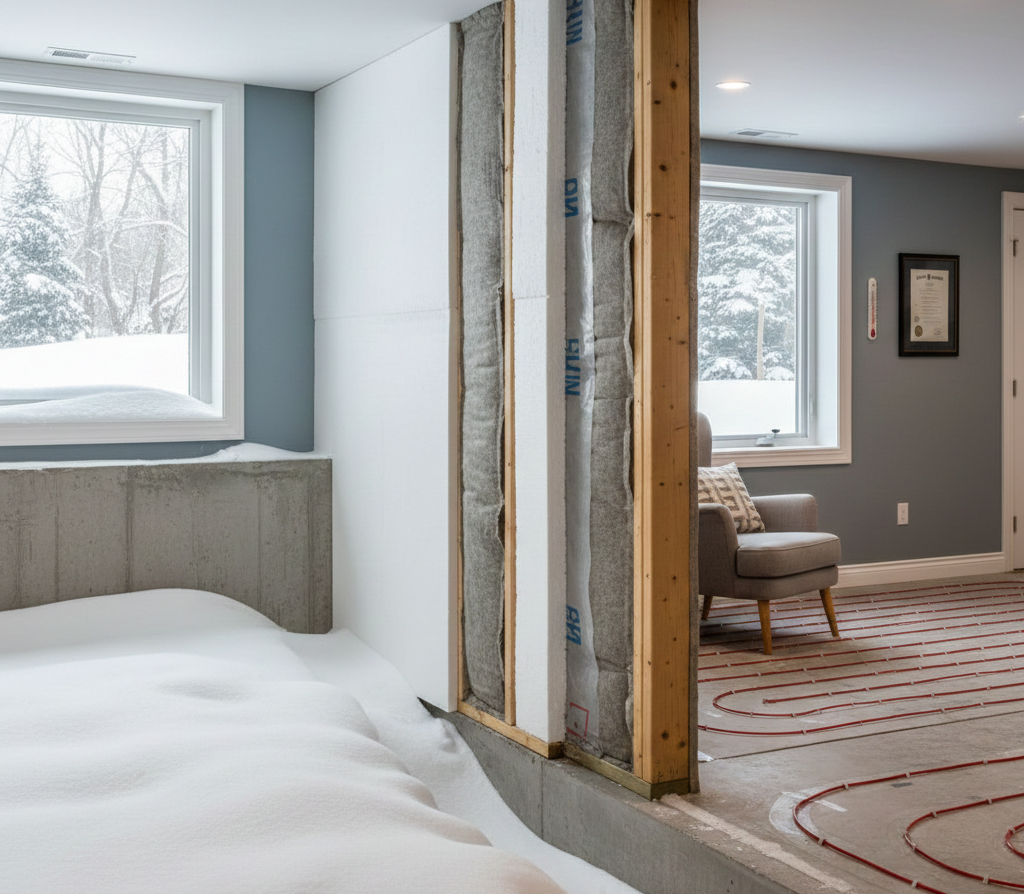
Most homeowners assume basement renovations should be avoided during cold months. In reality, winter is one of the smartest times to build a legal basement, begin your architectural drawings, or move ahead with permit approvals. With the right planning, winter construction can speed up your project, lower delays, and help you finish in time for peak rental season.
This guide reveals how winter impacts legal basement construction, which building code rules matter most, and how to ensure your basement stays warm, dry, safe, and fully compliant.
Why Winter Is a Strategic Time to Build a Legal Basement
1. Faster Permit Approvals
Municipal permit offices are typically slower in winter, meaning your architectural drawings and building permits may be approved more quickly.
Reference: Ontario Building Code — Ontario.ca
2. Better Contractor Availability
Winter reduces homeowner demand for renovations, giving you better scheduling windows, more attention, and smoother timelines.
3. Perfect Timing for Rental Income
If you plan to convert your basement into a legal rental suite, starting in winter positions you to hit the spring/summer rental market when demand sharply increases.
Challenges of Winter Basement Construction (And How Pros Solve Them)
Cold weather presents unique challenges such as:
- Frost affecting soil and excavation
- Longer drying times
- Moisture management issues
- Temperature-sensitive concrete work
- Heat loss in unfinished basements
A qualified renovation and architectural team uses professional strategies to overcome these challenges and maintain strict Ontario Building Code compliance.
Understanding Ontario Building Code Requirements
A legal basement isn’t just a renovation—it’s a regulated structure. Ontario requires:
1. Proper Fire Separation and Egress
Every legal suite must include fire-rated construction, compliant exits, and independent smoke and carbon monoxide alarms.
2. Enforced Ceiling Height Standards
Legal basements require specific minimum clearances, including areas under beams and ducts.
3. Required Ventilation & Heating Systems
Adequate heating and ventilation must operate year-round to ensure safety and comfort.
4. Energy Efficiency Rules
Basement insulation, air barriers, and moisture control must follow Ontario’s energy-efficiency regulations.
Reference: Ontario Energy-Efficiency Requirements — Ontario.ca
Winter-Proof Construction Tips for a Safe, Warm, Legal Basement
1. Begin With Accurate Architectural Drawings
Architectural drawings are the foundation of any legal basement, and winter is ideal for preparing them. Faster municipal turnaround means your project stays on schedule.
2. Use the Right Waterproofing System
Winter moisture can expose weaknesses in your foundation. Protect your basement with:
- Interior/exterior waterproofing
- Proper drainage
- Sealed window wells
- Vapor barriers that meet OBC standards
A dry basement is essential for rental approval and long-term durability.
3. Manage Cold-Weather Concrete Properly
Winter concrete can be stronger than summer concrete when done correctly. Pros use:
- ground-thawing blankets
- concrete accelerators
- temporary heated enclosures
This ensures strong foundations for separate entrances and egress pathways.
4. Enhance Insulation and Air Sealing
Winter is the best time to detect heat loss. Improve:
- wall insulation
- subfloor insulation
- rim joist sealing
- spray foam air barriers
This boosts comfort and lowers energy costs.
5. Focus on Indoor Work That Isn’t Affected by Weather
You can continue major indoor tasks without interruption:
- Framing
- Electrical and plumbing rough-ins
- HVAC installation
- Drywall and mudding
- Flooring and interior finishes
This keeps your project progressing steadily despite the cold.
Keeping Your Legal Basement Warm, Dry, and Code-Compliant in Winter
Install a Proper Subfloor System
A subfloor protects against moisture and improves temperature comfort, especially when using vinyl, laminate, or carpet.
Seal All Air Leaks
Cold air infiltration increases energy consumption and can create condensation.
Ensure Proper Mechanical Ventilation
Basements need consistent airflow to prevent mold, odors, and trapped humidity.
Use Dehumidifiers During Construction
Winter humidity changes can affect new framing and drywall, so moisture control is essential.
Why Winter Renovation Sets You Up for Long-Term Success
Starting your legal basement renovation in winter ensures:
- Fewer scheduling conflicts
- Faster permit approvals
- Earlier completion
- Readiness for high-demand rental season
- Opportunities for better pricing
Instead of waiting for summer, winter lets you move ahead strategically and financially.
Turn Your Basement Into a Legal, Safe, Income-Generating Space
My Legal Basement helps Ontario homeowners complete:
- Architectural drawings
- Permit approvals
- Legal basement conversions
- Below-grade entrances
- Full construction and finishing
Everything is Ontario code-compliant and handled by professionals.
Get a Free Consultation Today
Whether you’re planning to build a rental suite, finish a personal basement, or legalize an existing space, winter is the ideal time to begin.
Start now and get your project ahead of the crowd.