Basement Lighting Ideas for Low-Ceiling Spaces
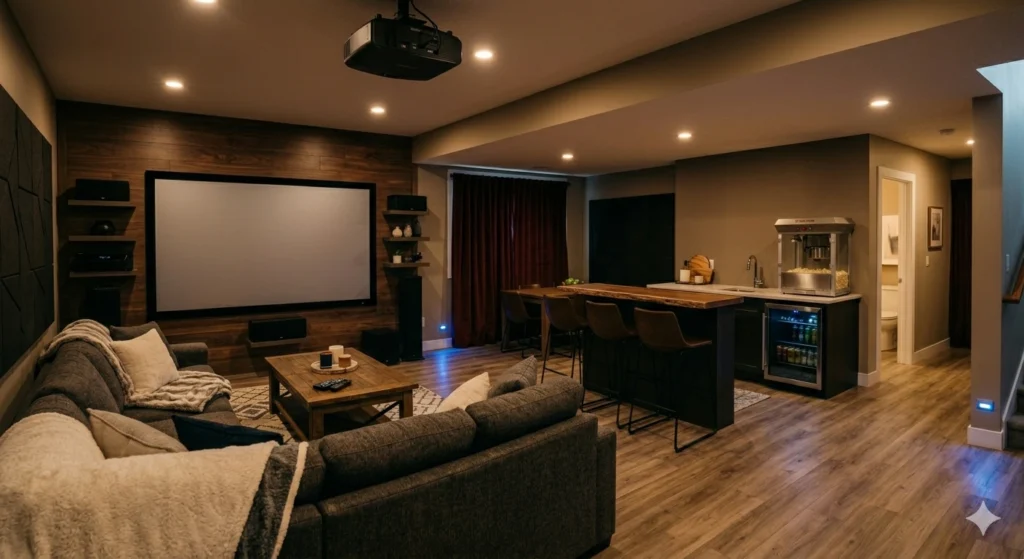
Lighting can make or break a basement. Get it right and even a low-ceiling space feels bright, open, and inviting. Get it wrong and the basement feels like a dim cave. Because basements lack the natural light of upper floors, smart artificial lighting is essential. These basement lighting ideas will help you transform a dark, low space into a welcoming room.
The Low-Ceiling Challenge
Low ceilings present a specific lighting problem: you cannot hang bulky fixtures or large pendants that eat into precious headroom. Hanging fixtures make a low ceiling feel even lower and can be a literal head-bumping hazard. The solution for low ceiling basement lighting is to use fixtures that sit flush or recess into the ceiling, keeping the space open while delivering plenty of light.
Recessed Lighting: The Basement MVP
Recessed lighting basement installations are the go-to solution for low ceilings, and for good reason. Recessed pot lights sit flush with the ceiling, taking up no headroom while providing even, ambient illumination. They create a clean, modern look and distribute light across the space without visual clutter. For most basements, a well-planned grid of recessed lights forms the foundation of the lighting scheme.
Planning Your Recessed Lighting
The key is even spacing and adequate quantity, too few lights leave dark spots, while a properly planned layout bathes the room in consistent light. Consider dimmers so you can adjust the mood, bright for activities, soft for relaxing. Recessed lights also work beautifully to wash walls with light, which makes a space feel larger and more open.
Layer Your Lighting
The best basement lighting ideas use multiple layers, not just one source. Layering creates depth, flexibility, and a far more pleasant atmosphere than a single type of light flooding the room.
Ambient Lighting
This is your base layer, the recessed lights providing overall illumination. It ensures the whole space is comfortably lit and serves as the foundation everything else builds on.
Task Lighting
Task lighting illuminates specific activities, under-cabinet lights in a kitchenette, a reading lamp by a chair, or focused light over a work area. It adds function and reduces eye strain where people actually do things.
Accent Lighting
Accent lighting adds character and highlights features, wall sconces flush-mounted to preserve space, LED strips, or lights that wash a feature wall. Accent lighting creates warmth and visual interest, making the basement feel designed rather than purely utilitarian.
More Tips for Bright, Low-Ceiling Basements
Maximize Natural Light
Where possible, enlarge windows or add egress windows, which also serve safety requirements. Natural light is the single best way to make a basement feel less like a basement. Keep window areas unobstructed and use light window treatments that let daylight through.
Use Light, Reflective Colours
Light-coloured walls, ceilings, and finishes reflect light and make the space feel brighter and larger. A light ceiling, in particular, helps a low space feel taller. Reflective surfaces and mirrors amplify both natural and artificial light throughout the room.
Wall-Mounted and Flush Fixtures
Where you want decorative fixtures, choose flush-mount ceiling fixtures and wall sconces rather than hanging pendants. These add style without sacrificing headroom, making them perfect for low ceiling basement lighting.
Consider Light Temperature
Warmer light feels cozy and inviting, while cooler light feels crisp and energizing. Choose temperatures that suit each space, and consider tunable options for flexibility. Consistent, well-chosen light temperature ties the whole basement together and sets the right mood for each area.
Lighting and Layout Work Together
Good lighting complements a good layout. An open-concept basement benefits from even ambient lighting that unifies the space, while defined rooms each need their own layered scheme. Plan lighting alongside your layout so every zone is properly illuminated for its purpose, rather than treating lighting as an afterthought once the walls are up.
Lighting for Different Moods
A well-lit basement should be able to shift with the moment. Dimmers and zoned switching let you flood the space with bright light for cleaning or activities, then dial it down to a soft, cozy glow for relaxing or watching a movie. This flexibility, achieved at modest cost during the electrical stage, makes a basement feel far more like a finished, livable part of the home rather than a utilitarian space with a single harsh setting.
Conclusion
Lighting is one of the most powerful tools for transforming a low-ceiling basement. Recessed lighting basement installations preserve headroom while providing even illumination, and layering ambient, task, and accent lighting creates depth and flexibility. Combine these basement lighting ideas with light colours, reflective surfaces, and maximized natural light to make even the lowest basement feel bright and welcoming.
Want a basement that is bright, not gloomy? My Legal Basement designs lighting that makes the most of every space across the GTA. Book your free consultation today and brighten up your basement.