Best Flooring for a Basement: Moisture-Proof Options That Last
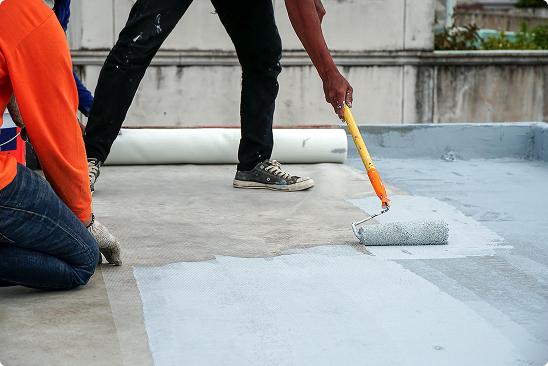
Choosing flooring for a basement is different from choosing it for any other room in your home. Because basements sit below grade, moisture is always a concern, and the wrong flooring can warp, mould, or fail. Knowing the best flooring for basement spaces, the options built to handle moisture, protects your investment and keeps the space looking great for years.
Why Basement Flooring Is Different
Basements are prone to humidity and the occasional water issue, even when well waterproofed. Concrete slabs can transmit moisture from the ground, and the cooler temperatures encourage condensation. That’s why basement flooring must be chosen with moisture resistance as a top priority, not just looks. A material that thrives upstairs may fail below grade.
Top Moisture-Proof Flooring Options
Luxury Vinyl Plank and Tile
Luxury vinyl is one of the most popular choices for basements, and it’s easy to see why. It’s highly water-resistant, often fully waterproof, comes in attractive wood and stone looks, is comfortable underfoot, and is relatively affordable. For most homeowners seeking waterproof basement flooring, luxury vinyl strikes an excellent balance of performance, looks, and value.
Ceramic and Porcelain Tile
Tile is essentially impervious to water, making it one of the most durable basement options. It handles moisture beautifully and is easy to clean, though it can feel cold and hard underfoot, mitigated with rugs or in-floor heating. Tile is an excellent choice among basement floor options for bathrooms and high-moisture areas.
Engineered Vinyl and Rigid Core
Rigid-core flooring offers the waterproof benefits of vinyl with added stability and a premium feel. It handles temperature changes and minor subfloor imperfections well, making it a strong contender for basements.
Sealed or Polished Concrete
For a modern, industrial look, sealed or polished concrete is a practical option. The slab is already there, so finishing it can be cost-effective, and it’s inherently moisture-tolerant. Adding rugs softens the hard, cold surface.
Tile-Effect and Waterproof Laminate
Some newer laminate products are engineered for water resistance, though traditional laminate is generally not recommended for basements because it can swell when wet. If considering laminate, choose only products specifically rated as waterproof.
Flooring to Avoid in Basements
Some materials simply don’t belong below grade. Solid hardwood reacts poorly to moisture and humidity, warping and cupping over time. Traditional laminate can swell and ruin when exposed to water. Wall-to-wall carpet on its own can trap moisture and harbour mould if the basement ever floods. If you love the warmth of carpet, consider it only over a proper moisture-managed subfloor, or use area rugs over waterproof flooring instead.
Don’t Forget the Subfloor
The best flooring for basement performance often comes down to what’s underneath. A proper subfloor system that allows airflow and manages moisture can dramatically improve comfort and protect your flooring. Subfloor membranes or panels create a barrier between the cold, potentially damp concrete and your finished floor, adding warmth and protection.
Waterproofing Comes First
No flooring, however water-resistant, can fully compensate for a basement with unaddressed moisture problems. Before installing any floor, ensure your basement is properly waterproofed and dry. The best flooring choice is only as good as the moisture management beneath and around it. We cover waterproofing in a dedicated guide.
Matching Flooring to Use
Consider how the space will be used. A family rec room benefits from comfortable, attractive vinyl; a bathroom calls for tile; a rental suite needs durable, easy-to-clean, waterproof flooring that withstands tenant turnover. Choosing among basement floor options with the end use in mind ensures the floor performs and lasts.
Comfort Underfoot
Beyond moisture resistance, comfort matters in a basement, especially because the concrete slab is cold and hard. The right flooring, or the right subfloor beneath it, makes the space far more pleasant to live in. Luxury vinyl and engineered products feel warmer and softer than bare tile or concrete, and a subfloor membrane adds insulation and a slight cushion. For bedrooms and living areas where people spend time, comfort underfoot is worth factoring into your choice alongside durability and looks.
Matching Flooring to the Room
Different areas of a basement have different needs. A bathroom calls for fully waterproof tile, a living area benefits from comfortable, attractive vinyl, and a rental suite needs durable, easy-to-clean surfaces that withstand turnover. You do not have to use a single flooring type throughout, choosing the right material for each space produces the best balance of performance, comfort, and cost. Thinking room by room ensures every part of the basement performs well for how it is actually used.
Conclusion
The best flooring for basement spaces prioritizes moisture resistance alongside looks and comfort. Luxury vinyl, tile, rigid-core, and sealed concrete are all excellent waterproof basement flooring choices, while solid hardwood and traditional laminate should be avoided. Pair your flooring with a proper subfloor and solid waterproofing, and your basement floor will look great and last for years.
Want expert guidance on the right flooring for your basement? My Legal Basement handles flooring, waterproofing, and complete basement renovations across the GTA. Book your free consultation today.