DIY vs Professional Basement Renovation: Pros & Cons
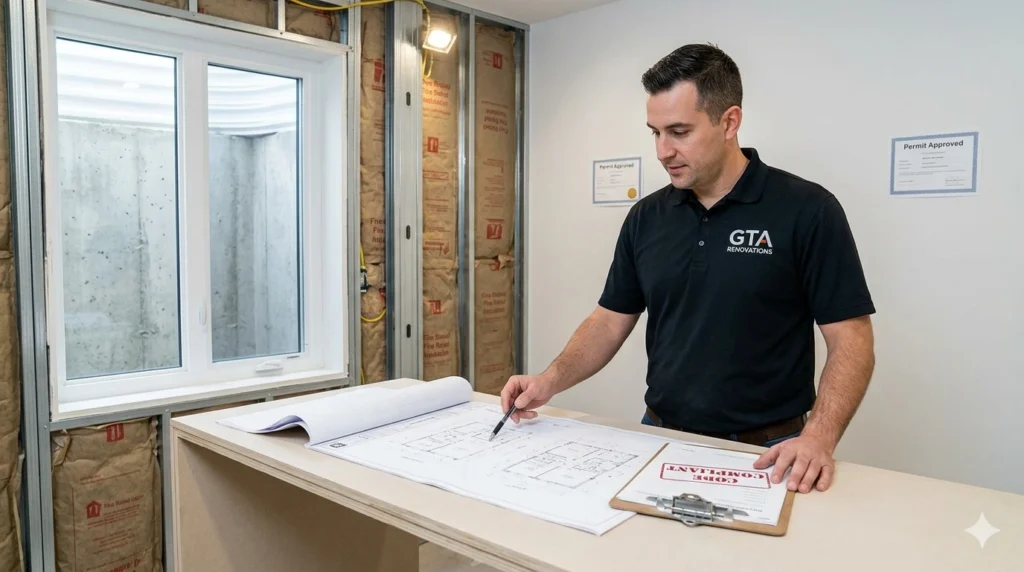
When you are planning to finish your basement, one of the first big decisions is whether to do it yourself or hire a professional. A diy basement renovation can save money and offer real satisfaction, but it comes with genuine risks and limits. Understanding the honest pros and cons of each path helps you make the right call for your skills, budget, and goals.
The Appeal of DIY
Many homeowners ask should i finish my basement themselves, and the appeal is understandable. DIY can reduce labour costs, give you complete control over the project, and provide the deep satisfaction of building something with your own hands. For handy people tackling straightforward, non-structural work, it can be a rewarding project.
DIY Pros
The biggest draw of a basement reno diy approach is cost savings on labour, which can be substantial. You also control the pace and the details, working on your own schedule. And there is genuine pride in doing the work yourself. For simple tasks, painting, basic finishing, installing simple fixtures, DIY can make sense for a capable homeowner.
DIY Cons
The downsides are significant, however. Basements involve moisture control, electrical, plumbing, structural considerations, and, for legal suites, strict code compliance, areas where mistakes are costly and even dangerous. DIY work often takes far longer than expected, and errors can lead to failed inspections, safety hazards, or expensive rework. Crucially, much of this work legally requires permits and qualified, licensed trades. A basement reno diy project that ignores these requirements can create an illegal, unsafe, or unsellable space.
The Case for Hiring a Professional
Hiring a professional brings expertise, accountability, and peace of mind. Professionals understand the unique challenges of basements, know the code, handle permits, and coordinate the trades. For anything involving structure, electrical, plumbing, or a legal suite, professional work is not just advisable, it is often legally required.
Professional Pros
Professionals deliver quality, safety, and compliance. They handle the permit process and inspections, coordinate skilled trades, and stand behind their work. The result is typically faster, safer, and built to last, with documentation that protects you at resale. For complex projects and legal suites, this expertise is invaluable.
Professional Cons
The main downside is cost, professional labour adds to the budget. You also cede some control over the day-to-day process, relying on the contractor’s schedule and methods. The hire contractor vs diy basement decision often comes down to weighing this added cost against the value of expertise, safety, and time saved.
How to Decide
The right choice depends on the scope of work, your skills, and your goals. Simple, cosmetic finishing in a dry, sound basement might suit a capable DIYer. But anything involving structure, electrical, plumbing, waterproofing, or a legal rental suite calls for professionals. Be honest about your abilities, your available time, and the real risks of getting it wrong.
A Hybrid Approach
Some homeowners blend the two, hiring professionals for the technical, permitted, and structural work while handling cosmetic touches like painting themselves. This can balance cost savings with safety and compliance. Just be clear about which tasks legally require licensed trades and permits, and leave those to the professionals.
The Legal Suite Reality
If your goal is a legal rental suite, the hire contractor vs diy basement question largely answers itself. Legal suites involve egress, fire separation, permitted electrical and plumbing, and inspections, work that demands professional expertise and qualified trades. Attempting a legal suite as a pure DIY project risks an illegal, unsafe unit that fails inspection and exposes you to serious consequences.
Counting the True Cost of DIY
When weighing the savings of doing it yourself, count the full picture, not just materials. Factor in the value of your time, the cost of any tools you need to buy or rent, and the very real risk of mistakes that require professional correction. A DIY project that goes wrong can end up costing more than hiring a professional would have in the first place. An honest accounting often narrows the financial gap between DIY and professional work more than people expect.
When DIY Makes the Most Sense
DIY is most appropriate when the work is genuinely simple, non-structural, and does not touch permitted systems, think painting, installing trim, assembling furniture, or hanging shelves. These finishing touches are low-risk, satisfying, and a sensible place to save money. The trouble starts when a DIYer drifts into electrical, plumbing, structural, or code-governed work without the training or permits required. Knowing exactly where that line sits, and respecting it, is what separates a smart DIY contribution from a costly mistake.
Conclusion
The diy basement renovation versus professional decision comes down to scope, skills, and goals. DIY can save money on simple, non-structural work, but basements involve moisture, systems, structure, and code compliance where professional expertise pays off, and is often legally required. If you are asking should i finish my basement yourself, be honest about the risks, especially for a legal suite, where professional work is essential.
Want the peace of mind of professional work? My Legal Basement handles complete basement renovations and legal suites across the GTA, with permits, trades, and inspections fully managed. Book your free consultation today.