How to legalize basement
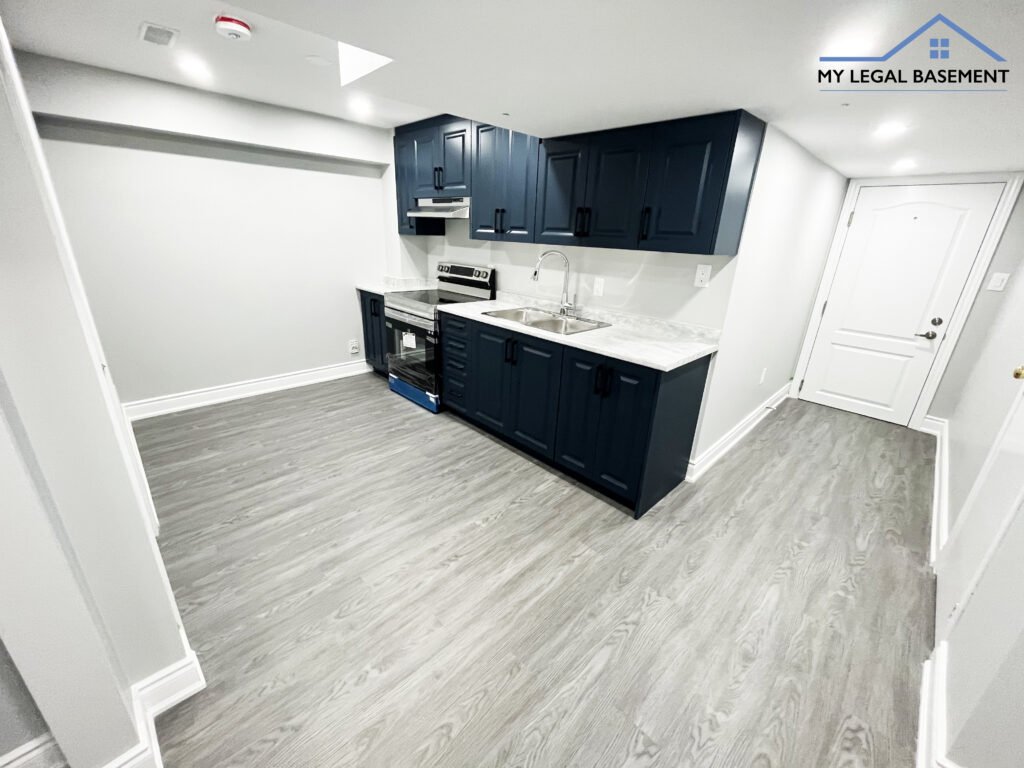
How to Legalize an Existing Basement Apartment in Ontario
Plenty of GTA homes already have a basement apartment that was finished without permits or never brought up to code. If that describes your property, you are not alone, and you have a clear path forward. Learning how to legalize basement apartments turns a risky, unpermitted space into a safe, insurable, and valuable asset. Here is how the process works.
Why Legalize Rather Than Leave It?
An unpermitted unit exposes you to municipal orders, fines, voided insurance, and resale headaches. Legalizing removes those risks. It also lets you rent with confidence, protects your tenants, and adds documented value to your home. The investment to legalize basement apartment ontario properties is almost always worth it compared to the cost and stress of being caught with an illegal unit.
Step 1: Assess the Current State
The first step in figuring out how to make basement legal is a thorough assessment of what you have. A professional evaluates the existing layout, windows, ceiling height, fire separation, electrical, plumbing, and ventilation against current code. The goal is to identify every deficiency so you know exactly what needs to change. This honest baseline prevents surprises later.
Step 2: Confirm Zoning
Before investing in construction, confirm that your municipality’s zoning permits a second unit on your lot. Most Ontario municipalities now allow additional residential units, but parking, size, and unit-count rules can vary. Verifying zoning early ensures the whole project is viable.
Step 3: Design and Permit Drawings
Next, a designer or qualified professional prepares the drawings needed for a permit application. These drawings show how the unit will meet code: egress windows, fire separation, ceiling height, layout, and mechanical systems. Accurate drawings are the foundation of a smooth approval and are required for the building permit.
Step 4: Obtain the Building Permit
With drawings in hand, you submit a building permit application to your municipality. The building department reviews the plans for code compliance. Once approved, you receive the permit that authorizes the work. Skipping this step is exactly what makes a unit illegal, so it is essential for a proper legal basement conversion.
Step 5: Build to Code
Now the physical work begins. Depending on the assessment, this legal basement conversion may involve enlarging windows, adding fire-rated assemblies, installing interconnected alarms, lowering the floor for ceiling height, upgrading electrical and plumbing under permit, and improving ventilation. Each element is built to the standards shown on the approved drawings.
Inspections Along the Way
Throughout construction, the municipality conducts inspections at key stages, such as framing, fire separation, and electrical, before work is covered up. Passing these progressive inspections keeps the project on track and ensures nothing is hidden behind drywall that should not be.
Step 6: Final Inspection and Approval
When the work is complete, a final inspection confirms that everything meets code. Once you pass, your unit is officially legal. This is the milestone that converts your basement from a liability into a recognized, insurable dwelling unit. Keep your permit and inspection records; they are valuable proof of legality at resale.
What If the Original Work Was Done Poorly?
Sometimes an existing unit was built so far outside code that significant rework is needed, occasionally opening walls to verify hidden systems. While this adds cost, it is the only way to guarantee safety and legality. A good contractor will give you a realistic scope and budget up front so you can make an informed decision about how to legalize basement apartment ontario properties.
How Long Does It Take?
Timelines depend on the scope of work and your municipality’s permit processing times. A unit needing minor upgrades will move faster than one requiring window enlargement, fire separation, and floor lowering. Planning the full scope from the start, rather than discovering issues mid-project, keeps the timeline predictable.
Budgeting for Legalization
The cost to legalize an existing basement apartment depends entirely on how far the current unit is from code. A unit that needs only alarms, minor fire separation, and a permit will cost far less than one requiring window enlargement, floor lowering, and rewiring. Because hidden conditions, what is actually behind the drywall, can change the scope, a thorough assessment up front gives you the most accurate budget. It is wise to set aside a contingency for surprises, since older, unpermitted work often hides issues that only become visible once walls are opened.
Legalization vs. Starting Over
In some cases, an existing unit was built so poorly that correcting it costs nearly as much as building fresh. A good contractor will tell you honestly when that tipping point is reached, so you can decide whether to remediate the existing unit or rebuild it properly. Either way, the destination is the same: a safe, permitted, inspected suite that you can rent with confidence.
Conclusion
Knowing how to legalize basement apartments demystifies what can feel like an overwhelming project. The path is clear: assess, confirm zoning, prepare drawings, get a permit, build to code, and pass final inspection. Understanding how to make basement legal empowers you to protect your tenants, your insurance, and your investment.
Have an existing basement apartment that needs to be legalized? My Legal Basement specializes in legal basement conversions across the GTA, handling assessment, permits, and construction from start to finish. Book your free consultation today.