Legal basement apartment
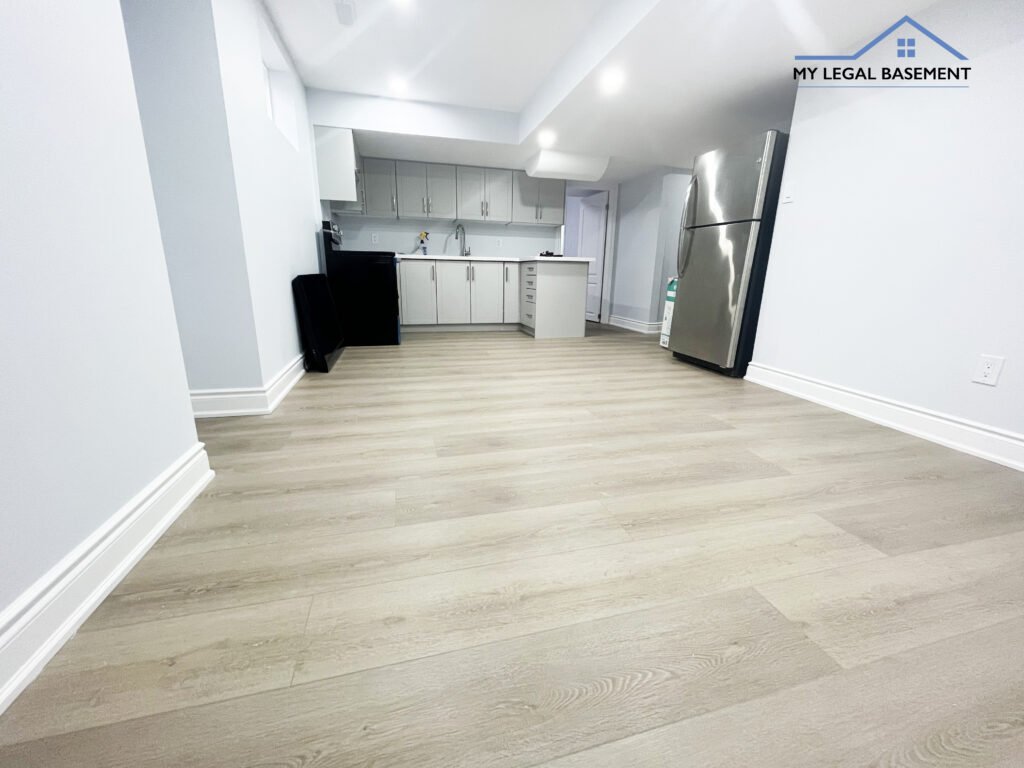
Legal Basement Apartment vs Secondary Suite: What’s the Difference?
The terminology around added living units can be confusing. People use “basement apartment,” “secondary suite,” and “secondary dwelling unit” almost interchangeably, but they are not always the same thing. If you are planning to add rental space or accommodate family, understanding how a legal basement apartment relates to a secondary suite will help you plan and communicate clearly.
Starting With the Terms
Let’s define each term before comparing them. A legal basement apartment is a self-contained, code-compliant dwelling unit located in the basement of a home. A secondary suite is a broader concept: a self-contained second dwelling unit within or attached to a primary residence, which could be in the basement, but could also be elsewhere in the home. A secondary dwelling unit ontario recognizes is essentially the official, regulatory way of describing that second unit.
So What’s the Real Difference?
Here is the key insight in the basement apartment vs suite discussion: a basement apartment is a type of secondary suite, defined by its location. A secondary suite is the umbrella term for any legal second unit in a home, while a basement apartment specifically refers to one located below grade. In other words, all legal basement apartments are secondary suites, but not all secondary suites are basement apartments.
Secondary Suite Locations
A secondary suite could be in the basement, on the main or upper floor, or in an addition. Some homes are designed with a suite that is not below grade at all. The defining feature of a secondary suite is that it is a complete, separate dwelling unit, with its own kitchen, bathroom, and living space, integrated within or attached to the main house.
Where Additional Residential Units Fit In
You may also hear the term additional residential unit. Provincial policy in Ontario now broadly permits homeowners to add additional units, which can include basement apartments, suites within the home, and even detached units in some cases. A secondary dwelling unit ontario policy supports falls within this framework. The exact rules depend on your municipality’s zoning.
Why the Distinction Matters
Understanding these terms is more than semantics. It affects how you talk to designers, contractors, and your municipality, and it shapes what is possible on your property. When you apply for permits, the language used in zoning bylaws matters. Knowing whether you are creating a basement apartment specifically, or a secondary suite more generally, ensures everyone is on the same page.
The Requirements Are Similar
Regardless of which term applies, the life-safety and habitability requirements are largely the same. Any legal second unit needs proper egress, fire separation, adequate ceiling height, interconnected alarms, ventilation, and permitted systems. The location influences some specifics, below-grade units have particular concerns around windows and waterproofing, but the core principles of safety and compliance hold across the board.
Which One Is Right for Your Home?
For most GTA homeowners, the basement is the natural place to add a unit because the space already exists; you are converting rather than building new square footage. That makes a legal basement apartment the most common and cost-effective choice. However, if your basement has serious limitations, like very low ceilings or no path to egress, a suite elsewhere in the home might be worth considering. A professional can help you weigh the options based on your specific property.
Multigenerational Living
Secondary suites are also popular for multigenerational families who want to keep loved ones close while preserving privacy and independence. A basement in-law suite is a classic example, offering a self-contained space for parents or adult children. We explore this in our dedicated guide on in-law suites.
What This Means for Your Plans
Understanding where a basement apartment sits within the broader family of secondary suites helps you set realistic expectations and ask the right questions. When you speak with a municipality about a secondary dwelling unit ontario permits, you will encounter the formal terminology, while in everyday conversation people will say “basement apartment.” Knowing they describe the same regulated concept, a self-contained second dwelling, keeps you grounded as you navigate design, permits, and zoning. It also helps when comparing quotes or researching online, since articles and bylaws use these terms interchangeably.
Conclusion
The basement apartment vs suite question comes down to location and scope. A legal basement apartment is a secondary suite located in the basement, while a secondary suite is the broader category of any legal second unit. A secondary dwelling unit ontario recognizes is simply the regulatory term for that added unit. Whatever you call it, the goal is the same: a safe, legal, valuable addition to your home.
Not sure whether a basement apartment or another type of suite is right for you? My Legal Basement helps GTA homeowners plan and build legal secondary suites of all kinds. Book your free consultation and let’s find the best fit for your property.