Legal Basement Requirements Ontario
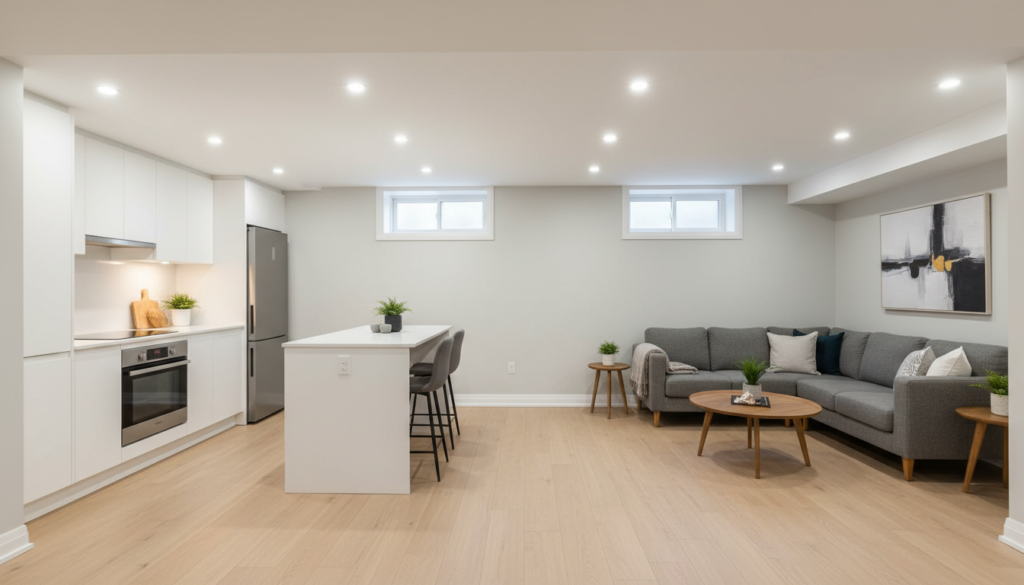
Legal Basement Requirements in Ontario: The Full 2026 Checklist
Turning a basement into a legal, rentable suite is one of the smartest moves an Ontario homeowner can make, but it only works if the space meets code. Knowing the legal basement requirements ontario enforces will save you from costly rework, failed inspections, and headaches down the road. This 2026 checklist walks through everything you need, in plain language.
Before we dive in, remember that requirements come from three sources: the Ontario Building Code, the Ontario Fire Code, and your local municipal zoning bylaws. Most provincial rules are consistent across cities, but zoning and a few specifics can vary, so always confirm locally.
What Makes a Basement Legal?
If you are wondering what makes a basement legal, the short answer is that it must be a self-contained, safe, and permitted dwelling unit. That means it has its own essential living facilities, meets life-safety standards, and was built or converted with the proper permits and inspections. Let’s break the requirements into categories.
1. Egress and Windows
Every bedroom in a legal suite needs an egress window that someone can escape through in an emergency. The legal basement window size ontario code requires is large enough to allow exit and let firefighters in. Generally, this means a minimum openable area and minimum dimensions, with the sill not too high off the floor. If your existing windows are small, a window enlargement and proper window well are usually needed.
2. Ceiling Height
Habitability depends on headroom. The legal basement ceiling height ontario requires must be met over the required floor area, with some allowance for ducts and beams in certain spots. If your ceilings fall short, options like underpinning or bench footing can lower the floor, though these add cost and complexity. We cover heights in detail in our dedicated guide.
3. Separate Entrance
A legal basement suite typically needs its own entrance so occupants can come and go without passing through the main dwelling. This is often a side or rear door leading directly into the unit, built to code with safe stairs and proper drainage.
4. Fire Separation and Safety
Fire separation between the basement unit and the upper dwelling is critical. This usually means fire-rated assemblies in the ceiling and around shared elements, fire-rated doors where required, and protected mechanical rooms. Interconnected smoke alarms and carbon monoxide detectors are mandatory so an alarm in one unit sounds everywhere.
5. Ventilation, Light, and Plumbing
The suite must have adequate ventilation, whether through windows or mechanical systems, plus natural light minimums for habitable rooms. Plumbing for a kitchen and bathroom must be installed under permit, and electrical work must be inspected and approved.
The 2026 Legal Basement Checklist
Here is a consolidated view of what inspectors and the code expect from a compliant suite:
- A code-compliant egress window in every bedroom, with proper window well and drainage.
- Minimum ceiling height maintained over the required living area.
- A separate, safe entrance to the unit.
- Fire separation between units and fire-rated doors where required.
- Interconnected smoke and carbon monoxide alarms throughout.
- Adequate ventilation and natural light.
- Permitted, inspected electrical and plumbing systems.
- A self-contained kitchen and bathroom.
- Compliance with local zoning for secondary or additional residential units.
- All work completed under a building permit with passed final inspection.
Zoning: The Step People Forget
You can satisfy every construction requirement and still run into trouble if zoning does not permit a second unit on your lot. Most Ontario municipalities now allow additional residential units as of right thanks to provincial policy, but rules about parking, unit size, and the number of units can differ. Confirming zoning early prevents nasty surprises.
Why Meeting Requirements Pays Off
Meeting the full set of legal basement requirements ontario mandates is not just about avoiding fines. A properly built legal suite is safer for occupants, insurable, financeable, and far more valuable at resale. It also rents more easily because quality tenants seek out legal, well-built spaces.
Common Pitfalls
The most frequent mistakes we see are undersized windows, ceilings that just miss the minimum, missing fire separation, and skipping permits to save time. Each of these can derail a project at inspection. Building to the checklist from day one is always cheaper than fixing later.
Conclusion
Understanding what makes a basement legal turns an intimidating project into a manageable one. With the right window sizes, ceiling height, fire safety, and permits, your basement can become a safe, valuable suite. Use this checklist as your roadmap, and verify the specifics with your municipality.
Want a professional assessment of your basement against this checklist? My Legal Basement builds fully code-compliant suites across the GTA and handles permits, design, and construction end to end. Book your free consultation and start your project with confidence.