Legal basement window size ontario
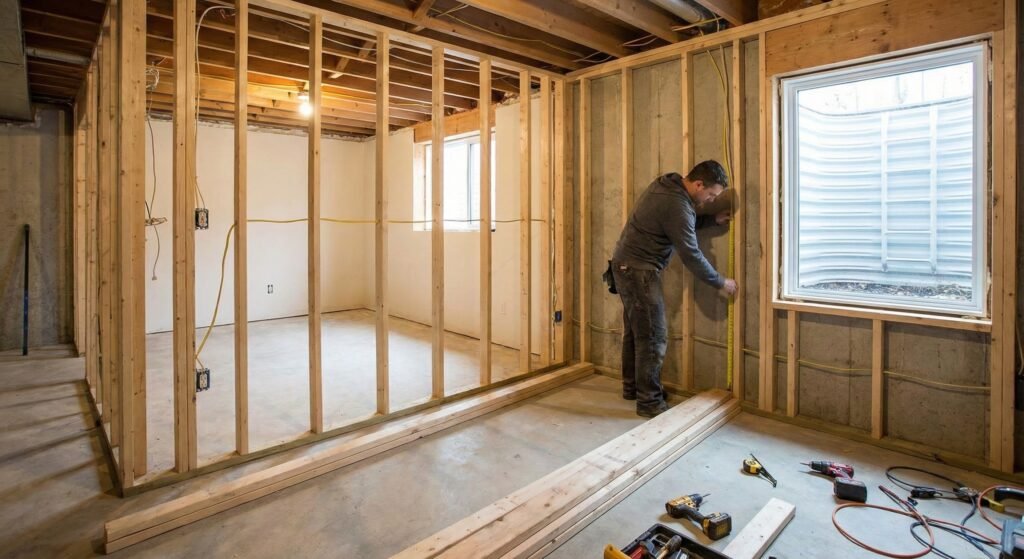
Legal Basement Window Size Requirements in Ontario
When homeowners start planning a basement suite, windows are often an afterthought, but they are one of the most common reasons a project fails inspection. Getting the legal basement window size ontario code requires is essential, because egress windows are a life-safety feature, not a design detail. This guide explains the rules in plain terms.
Why Egress Windows Matter
An egress window is an opening large enough for a person to escape through in an emergency, and large enough for a firefighter in full gear to enter. In a basement, where exits are limited, this window may be the only alternative escape route if the stairs are blocked by smoke or fire. That is why the code is strict about basement egress window size and placement.
Egress Window Requirements Ontario Homeowners Must Meet
While you should always confirm current specifics with your municipality and a qualified professional, the egress window requirements ontario code generally addresses several key dimensions:
Minimum Openable Area
Every bedroom in a legal basement suite must have at least one window that provides a minimum unobstructed openable area. This ensures a person can actually fit through the opening. A window that looks large but only cranks open partway may not qualify, so the openable area, not the glass size, is what counts.
Minimum Dimensions
The opening must also meet minimum width and height so that the shape is usable for escape, not just the total area. A long, narrow slot might technically have enough area but be impossible to climb through. The basement window size code guards against this with dimension minimums.
Sill Height
The bottom of the window opening cannot be too high above the floor, otherwise occupants, especially children, could not reach it in an emergency. Where the sill is high, a permanent step or platform may be required.
Window Wells for Below-Grade Windows
Because basement windows often sit below ground level, an exterior window well is usually needed to hold back the earth and provide clearance to open the window and climb out. The well must be deep and wide enough to allow escape and must drain properly so it does not fill with water.
Common Window Problems in Existing Basements
Most older homes were not built with bedroom-sized egress windows in the basement. The typical issues are windows that are simply too small, openings that crank rather than slide and only open partway, sills set too high, and missing or undersized window wells. Each of these means the existing window will not satisfy the legal basement window size ontario standard.
The Solution: Window Enlargement
The good news is that undersized windows can usually be enlarged. This involves cutting the foundation wall to create a larger opening, installing a new code-compliant window, and adding a proper window well with drainage. It is a specialized job that affects the structure, so it must be done by professionals under permit. Done correctly, it transforms a dark, non-compliant basement into a bright, safe, legal space.
Windows Do More Than Satisfy Code
Beyond safety, properly sized windows make a basement suite dramatically more livable and rentable. Natural light is one of the biggest factors tenants consider, and a bright unit commands better rent and rents faster. Meeting the basement egress window size requirements is both a legal necessity and a smart investment in the unit’s appeal.
Coordinating Windows With the Rest of the Project
Window work rarely happens in isolation. Enlarging a window may interact with ceiling height adjustments, waterproofing, and the overall layout of the suite. That is why it pays to plan the entire project together rather than tackling windows as a one-off. A coordinated design ensures every life-safety element, from windows to fire separation, comes together for a smooth inspection.
How Window Wells Should Be Built
A window well is more than a hole in the ground beside the window. To support egress, it must provide enough clearance in front of the open window for a person to stand and climb out, and it must be deep enough that the full window opening is usable. Where the well is deep, a permanent ladder or step may be required so occupants can reach ground level. Just as important, the well needs proper drainage, typically a gravel base connected to the home’s drainage system, so it never fills with water and floods the very window meant to keep people safe.
Material and Safety Considerations
Window wells are commonly made from galvanized steel, masonry, or moulded composite materials. Each must be installed so it holds back the surrounding soil reliably and resists corrosion over time. Covers, where used, must be the kind that open easily from inside for escape, never the type that could trap someone. These details matter because the well is part of the life-safety system, not just a landscaping feature.
Conclusion
Egress windows are non-negotiable in a legal basement suite. Meeting the legal basement window size ontario and the broader egress window requirements ontario code sets are what keep occupants safe and your project on track for approval. If your existing windows fall short, enlargement is a proven fix when done by professionals.
Need code-compliant egress windows for your basement suite? My Legal Basement handles window enlargement, window wells, and full legal suite construction across the GTA, all under permit. Book your free consultation today.