The ROI of Adding a Legal Basement Apartment
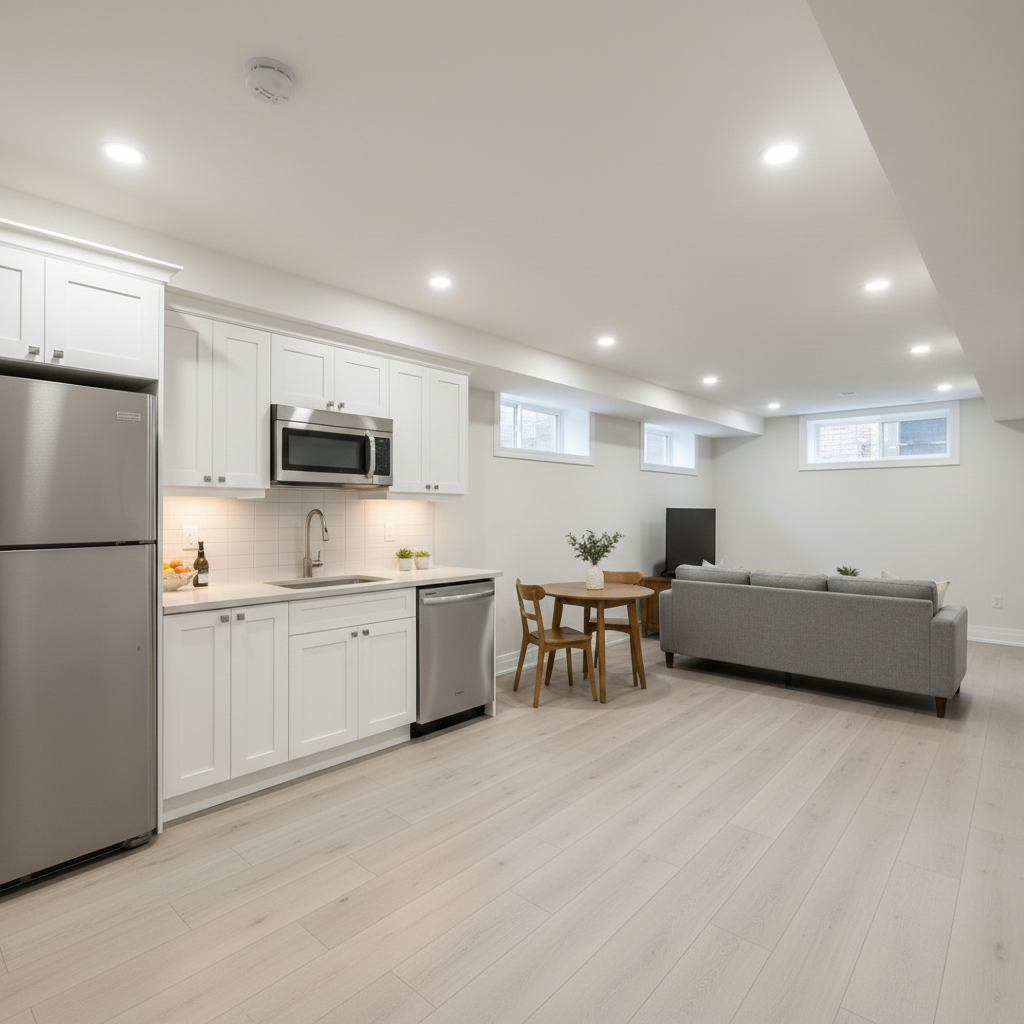
Building a legal basement apartment is a significant investment, so it’s natural to ask whether it’s worth it. The answer, for many GTA homeowners, is a resounding yes, but understanding the full return helps you make an informed decision. The basement apartment roi comes from two distinct sources, and together they make a compelling case. Here’s how to think about it.
Two Sources of Return
A legal basement apartment delivers return in two ways. First, ongoing rental income, the monthly rent the suite generates, month after month, year after year. Second, increased home value, the boost a documented, legal income suite adds to your property. Considering both is essential to understanding the true basement apartment roi. Focusing only on the upfront cost misses half the picture.
The Rental Income Side
The most immediate and tangible return is rent. A legal suite generates steady monthly income that can offset your mortgage, cover the cost of the build over time, and ultimately become pure cash flow once the investment is recovered. Over the years, the cumulative rental income basement ontario suites generate can be substantial, often far exceeding the original construction cost. This recurring income is what makes a basement suite such a powerful financial tool for homeowners.
Income That Builds Over Time
Unlike a one-time gain, rental income compounds in value over time. As you collect rent year after year, the suite pays back its cost and then continues generating income indefinitely. For homeowners focused on building wealth or achieving financial flexibility, this ongoing stream is the heart of the investment case. It can fund other goals, accelerate mortgage payoff, or simply provide breathing room in the household budget.
The Home Value Side
Beyond income, a legal basement apartment can increase your home’s value. The question of whether a basement adds value is best answered with a key distinction: a legal, permitted, income-generating suite is the kind that adds value, because it’s a documented, marketable asset that appeals to both end users and investors. An illegal or poorly built unit, by contrast, can detract from value. A properly built legal suite represents added, usable, income-producing space, which the market rewards.
Appeal to Future Buyers
When it comes time to sell, a legal income suite broadens your pool of potential buyers. Investors value the income, families value the flexibility for multigenerational living or rental help with the mortgage, and everyone values documented, legal work. This appeal can translate into a stronger sale, making the suite a smart move even if you eventually sell rather than rent long-term.
Weighing the Investment
To assess the basement apartment investment for your situation, weigh the upfront cost of building the suite against the combined return of rental income over time and the value added to your home. While the upfront cost is real, the dual return, recurring income plus increased value, often makes the investment highly attractive over a reasonable horizon. The exact numbers depend on your build cost, the rent achievable in your area, and your local market.
Financing Can Improve Returns
Many homeowners finance the build, using home equity or available programs designed to support additional residential units. The right financing can make the suite more accessible and improve the effective return, since the rental income may help service the financing. While this isn’t financial advice and you should confirm details with a lender and the relevant programs, exploring financing is a worthwhile part of evaluating the basement apartment investment.
Beyond the Numbers
The return isn’t purely financial. A legal suite offers flexibility, housing for family members, a hedge against changing circumstances, and the security of an income stream. For multigenerational families, the suite can keep loved ones close while providing independence. These non-financial benefits add to the overall value of the investment, even though they don’t show up directly in an ROI calculation.
Comparing It to Other Investments
One way to appreciate the appeal of a basement suite is to compare it to other ways homeowners might deploy capital. Many investments require you to tie up money in something separate from your home, with its own risks and management demands. A basement suite, by contrast, improves an asset you already own, generates income from it, and increases its value, all within your existing property. For homeowners who want their largest asset, their home, to work harder for them, a legal suite is a uniquely accessible and tangible option.
The Long View
The strongest case for a basement suite emerges when you take a long-term view. The upfront cost is a one-time event, while the rental income recurs for as long as you rent the suite, potentially for many years. Over a long enough horizon, the cumulative income, plus the added home value realized at sale, can far exceed the initial investment. Patience turns a significant upfront expense into a steadily compounding return, which is the essence of a sound long-term investment.
Conclusion
The basement apartment roi comes from two powerful sources: ongoing rental income basement ontario suites generate, and the value a legal suite adds to your home. The question of whether a basement adds value comes down to legality and quality, a documented, permitted suite is a genuine asset. Weighing the upfront cost against the dual return makes the basement apartment investment compelling for many GTA homeowners, with added flexibility as a bonus.
Want to understand the ROI for your specific property? My Legal Basement helps GTA homeowners build income-generating legal suites that deliver real returns. Book your free consultation today and explore your basement’s potential.