Secondary Suite Incentive & Grants in Ontario
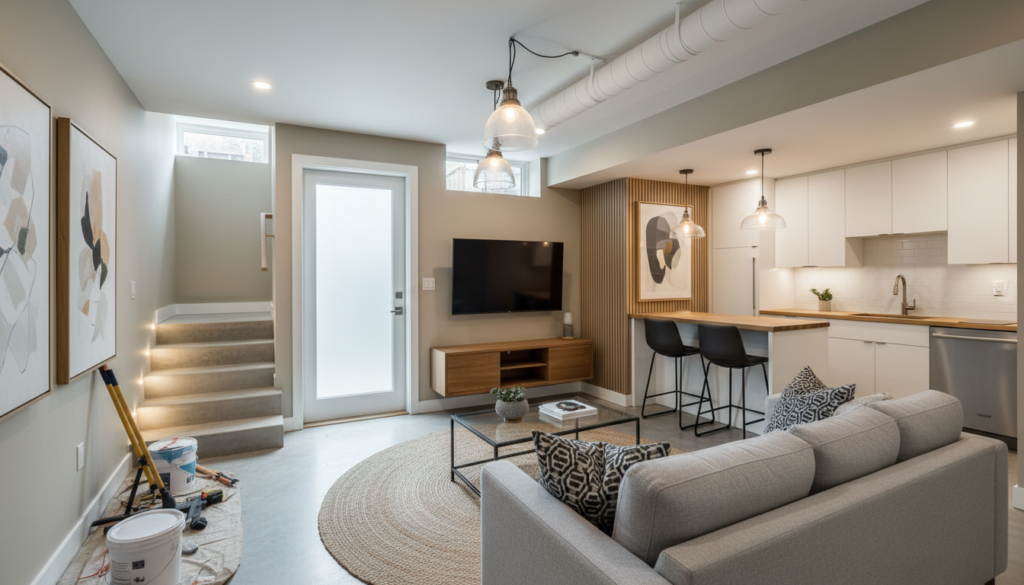
Building a legal basement suite is more affordable than many homeowners realize, partly because various incentives and grants may help offset the cost. To encourage more housing, different levels of government and municipalities have offered programs supporting secondary suites. Understanding the landscape of the secondary suite incentive program options helps you explore what might apply to your project. Here’s an overview.
Why Incentives and Grants Exist
The reasoning behind these programs is straightforward: secondary suites add much-needed housing supply by making better use of existing homes, without requiring new land. To encourage homeowners to create these units, government has offered various forms of support, from loans to grants and incentives. A basement apartment grant ontario homeowners can access reduces the upfront cost, making projects feasible for more people and adding more legal units to the housing market.
Types of Support Available
Loans
Some programs offer financing, loans designed to help cover the cost of building a secondary suite, often with favourable terms. These help homeowners who have the capacity to repay but need accessible financing to get started. We cover loan programs in a dedicated guide.
Grants and Incentives
A secondary suite grant provides funding that, unlike a loan, may not need to be repaid, subject to the program’s conditions. Incentive programs may offer financial support or other benefits to homeowners who create legal secondary suites. These directly reduce the net cost of the project, improving its return.
Municipal Programs
In addition to broader government programs, some municipalities have offered their own incentives or support for second units, reflecting local housing priorities. Because these are local, they vary by city, and checking what your specific municipality offers is worthwhile.
What Government Basement Apartment Funding Typically Requires
Programs offering government basement apartment funding generally share a common requirement: the suite must be legal. The whole point is to add legitimate housing, so the unit typically must be a self-contained, permitted, code-compliant suite. Programs may also have conditions around eligibility, the property, and how the suite is used. Because each program sets its own criteria, reviewing the specific requirements is essential to know what applies to you.
How to Explore Your Options
The landscape of incentives and grants can change over time as programs are introduced, updated, or wound down. To explore your options, start by checking official sources at the relevant government levels and your municipality for current programs. A mortgage professional or a contractor experienced with secondary suites in your area may also be aware of available programs. Because availability and terms change, current, official information is essential, don’t rely on outdated figures or assumptions.
Plan Your Project to Qualify
Since these programs require a legal suite, planning your project properly, with permits, professional drawings, and construction to code, positions you to qualify. This dovetails with sound building practice: building a legal, quality suite is both the right approach and the path to accessing support. Working with professionals who build compliant suites ensures your project meets the standards these programs require.
The Impact on Your Investment
Any incentive or grant that offsets the cost of building improves the overall return on your suite. By reducing the upfront investment, these programs shorten the time it takes for rental income to recover the cost and improve the project’s economics. Combined with the rental income and added home value a legal suite provides, available support can make the secondary suite incentive program landscape a meaningful factor in your decision to build. Confirm all specifics with the relevant authorities.
How Incentives Affect Your Decision
For homeowners on the fence about building a suite, available incentives can tip the balance. By reducing the upfront cost, a grant or incentive shortens the payback period and improves the overall return, making a project that seemed marginal clearly worthwhile. This is exactly the effect these programs are designed to have, encouraging more homeowners to add legal housing. If you’ve been hesitating over the cost, it’s worth checking what support is currently available before concluding that a suite is out of reach.
Act on Current Information
Because incentive and grant programs are periodically introduced, modified, or discontinued, timing and current information matter. A program available today may have different terms or availability later, and vice versa. The practical takeaway is to base your decisions on current, official information rather than something you read or heard some time ago. Checking the present state of available programs as part of your project planning ensures you make decisions on accurate footing and don’t miss support you could have used.
Conclusion
Various forms of support, loans, a secondary suite grant, and other incentives, may help offset the cost of building a legal basement suite in Ontario. A basement apartment grant ontario homeowners can access, along with government basement apartment funding from various levels, reduces the upfront cost and improves your return. Because programs change, always confirm current details through official sources, and plan a legal, compliant suite to position yourself to qualify.
Want to build a suite that qualifies for available support? My Legal Basement builds legal, code-compliant suites across the GTA that meet program standards. Book your free consultation today and explore your project.