What is a legal basement
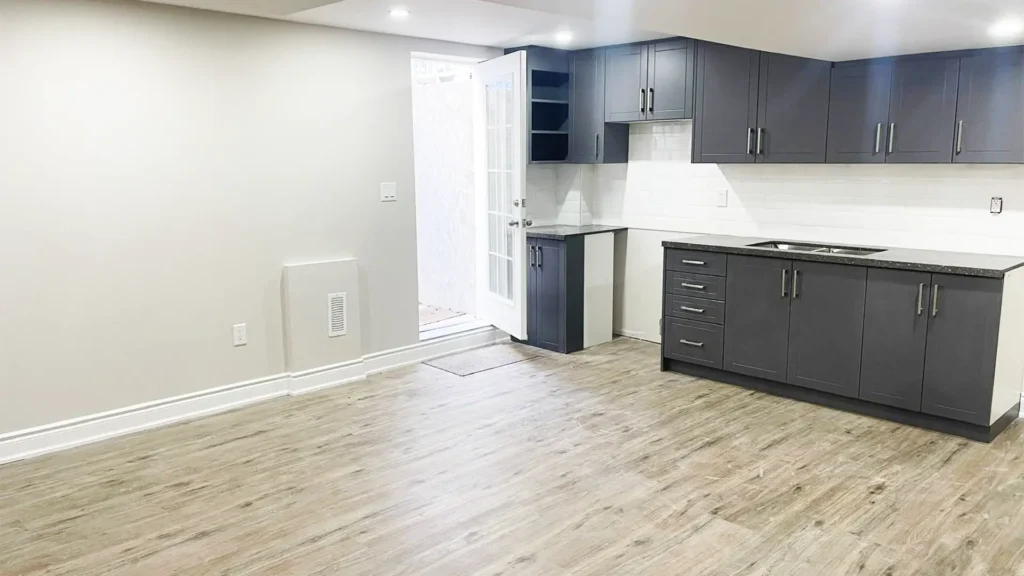
What Is a Legal Basement? An Ontario Homeowner’s Guide
If you have ever scrolled through rental listings or thought about adding income to your property, you have probably run into the phrase “legal basement.” It sounds straightforward, but a surprising number of Ontario homeowners are not entirely sure what it means. So let’s clear it up. Understanding what is a legal basement is the first step before you renovate, rent, or buy a home with a lower-level suite.
At its simplest, a legal basement is a separate dwelling unit built and approved according to the Ontario Building Code, the Fire Code, and your municipality’s zoning bylaws. It has the proper permits, passes inspection, and is officially recognized as a place someone can live. That recognition is what separates a safe, rentable space from a liability waiting to happen.
What Is Legal Basement vs. a Finished Basement?
People often confuse a finished basement with a legal one, and the distinction matters. A finished basement simply means the space has drywall, flooring, lighting, and maybe a bathroom. It looks complete. A legal basement, on the other hand, is finished AND meets every code requirement to function as a self-contained, occupiable suite.
You can have a beautifully finished basement that is still not legal because it lacks an egress window, has ceilings that are too low, or was built without a permit. The finish is cosmetic; the legality is structural and regulatory. When people ask what is legal basement status really about, this is the heart of it: safety and compliance, not just appearance.
Legal Basement vs Illegal: Why the Difference Matters
The gap between a legal basement vs illegal setup is more than paperwork. An illegal basement apartment may lack fire separation between units, have no second exit, use unpermitted electrical work, or violate zoning rules about how many units a property can contain. These are not minor technicalities. They are the exact conditions that lead to tragedy in a fire or flood.
Beyond safety, an illegal unit exposes you to real consequences. Municipalities can issue orders to comply, levy fines, and even require you to remove the unit entirely. Your home insurance may be voided if an undisclosed illegal suite is involved in a claim. And when you sell, buyers and their lawyers will discover the lack of permits, often killing the deal or slashing your price.
The Core Features of a Legal Basement
While exact requirements vary by municipality, most legal basement suites in Ontario share a common set of features. A separate, code-compliant entrance is typically required so tenants are not forced to pass through the main dwelling. Ceiling heights must meet a minimum standard so the space is genuinely habitable. Egress windows in bedrooms provide a safe escape route in an emergency. Fire separation between the basement unit and the upper dwelling slows the spread of smoke and flame. Interconnected smoke and carbon monoxide alarms warn everyone in the home at once.
On top of these, the unit needs proper ventilation, adequate natural light, safe electrical and plumbing systems installed under permit, and dedicated mechanical considerations like heating. Each piece exists for a reason, and together they transform a basement from “finished” into “legal.”
Why Homeowners Choose to Go Legal
Building a legal basement is an investment, so why do it? The biggest driver is income. A legal suite can generate steady monthly rent, helping offset a mortgage and accelerating your path to financial freedom. With the GTA’s housing crunch, demand for quality basement apartments is strong and consistent.
There is also resale value. A documented, permitted legal suite is a tangible asset that appeals to investors and end users alike, unlike an illegal unit that becomes a negotiating weapon for buyers. Finally, legality brings peace of mind. You know your tenants are safe, your insurance is valid, and you are not one inspection away from a costly order.
Common Misconceptions
A few myths persist. Some homeowners assume that because their neighbour rents out a basement, theirs is automatically fine. Legality is property-specific and depends on your permits and inspections, not what is happening next door. Others believe that a quick cosmetic refresh makes a unit legal. It does not. And many think the process is so onerous it is not worth attempting. In reality, with the right guidance, legalizing or building a basement suite is a well-defined process.
How to Know If Your Basement Qualifies
If you already have a basement apartment and are unsure of its status, start by checking whether permits were ever pulled for the work and whether it passed final inspection. Look at the practical features too: Is there a safe second exit? Are the bedroom windows large enough to climb out of? Is there real fire separation? If you are uncertain, a professional assessment is the fastest way to get clarity.
For those starting fresh, the path runs through proper design, permit drawings, municipal approval, construction to code, and final inspection. It is methodical, but entirely achievable with experienced help.
Conclusion: Legal Is the Only Way to Build
So, what is a legal basement? It is a basement suite that is safe, permitted, inspected, and officially recognized as a place to live. The difference between a legal basement vs illegal one is the difference between an asset and a liability, between protection and exposure. If you are considering adding a basement suite, do it the right way from the start.
Ready to find out if your basement can be made legal? The team at My Legal Basement specializes in designing and building code-compliant legal basement suites across the GTA. Book a free consultation today and let’s turn your lower level into a safe, income-generating asset.